Travel – Lincoln’s New Salem, Illinois


We have been to many Abraham Lincoln’s sites over the years; his Kentucky birthplace, his Springfield home and the place he was buried, the site of his famous speech in Gettysburg, and of course Ford’s theater where he was assassinated.  Lincoln’s New Salem State Historic Site was always on our list to visit, so in the fall of 2011 we decided to get in the car and take a day trip.

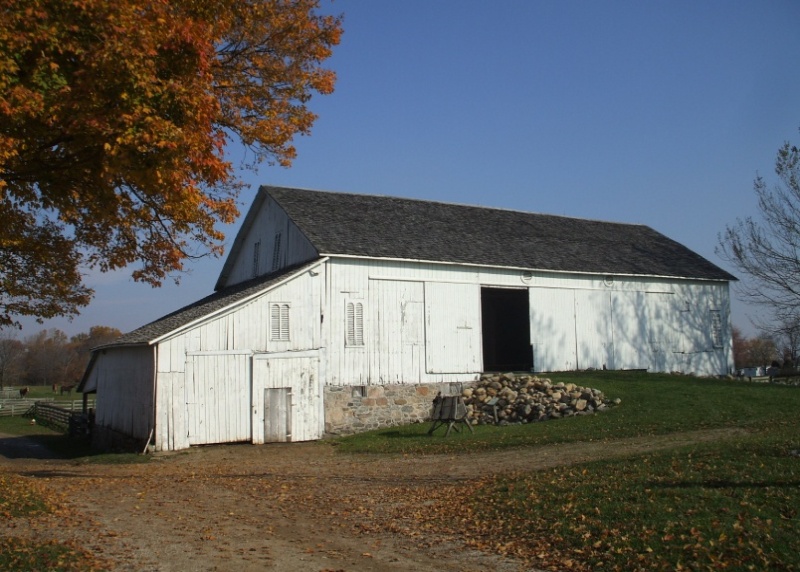
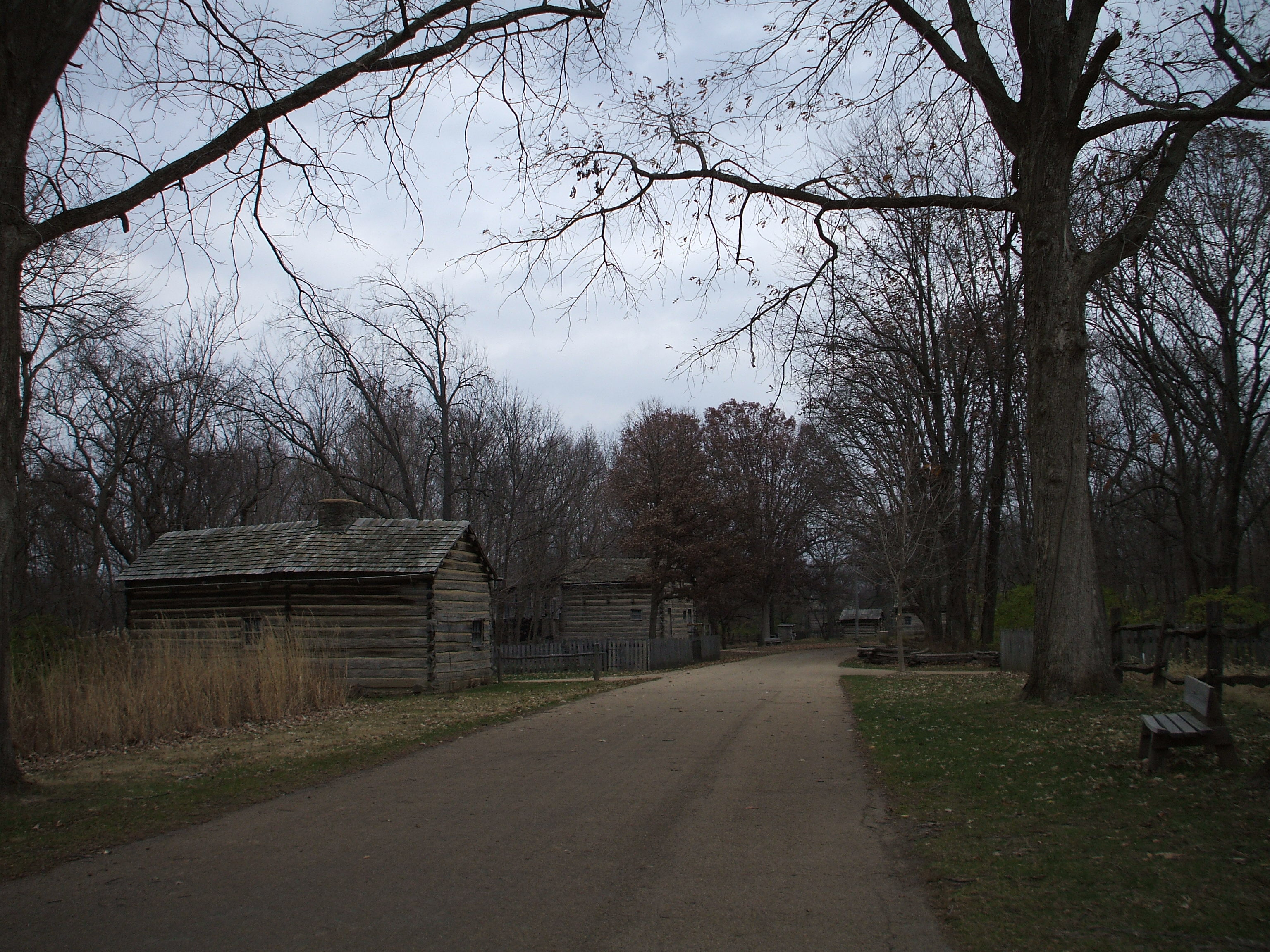
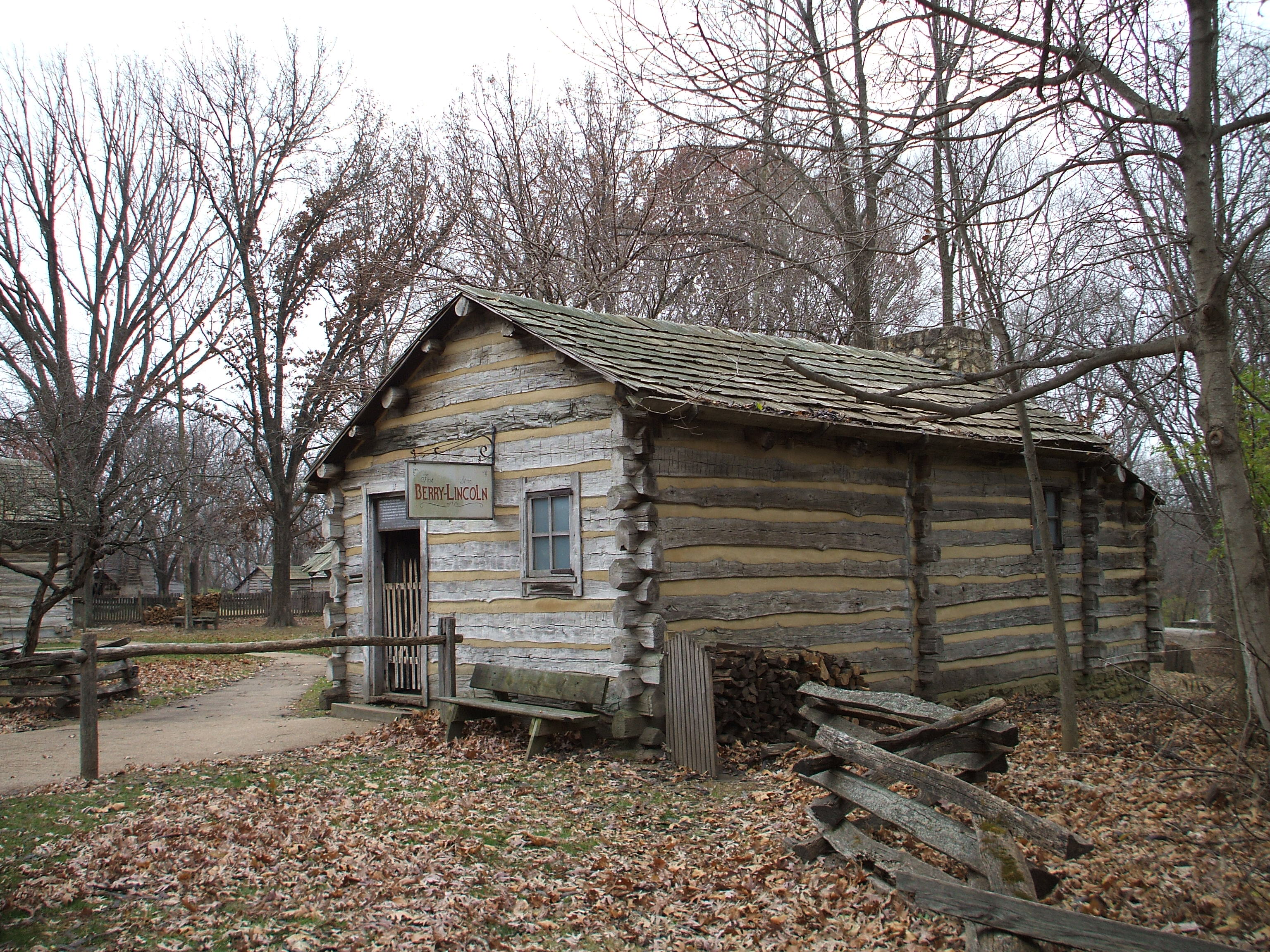
Lincoln’s New Salem is located about 20 miles northwest of Springfield, Illinois.  22 buildings were rebuilt on the original foundations by the Civilian Conservation Corps during the Great Depression.  Furnished as they would have looked in the 1830s, the current village has twelve log houses, ten workshops, various stores and a tavern, a mill and a school house where church services were held.

The weather was very cold on the day we visited, but we walked around the village looking into places like the Berry-Lincoln store and Rutledge Tavern.

    

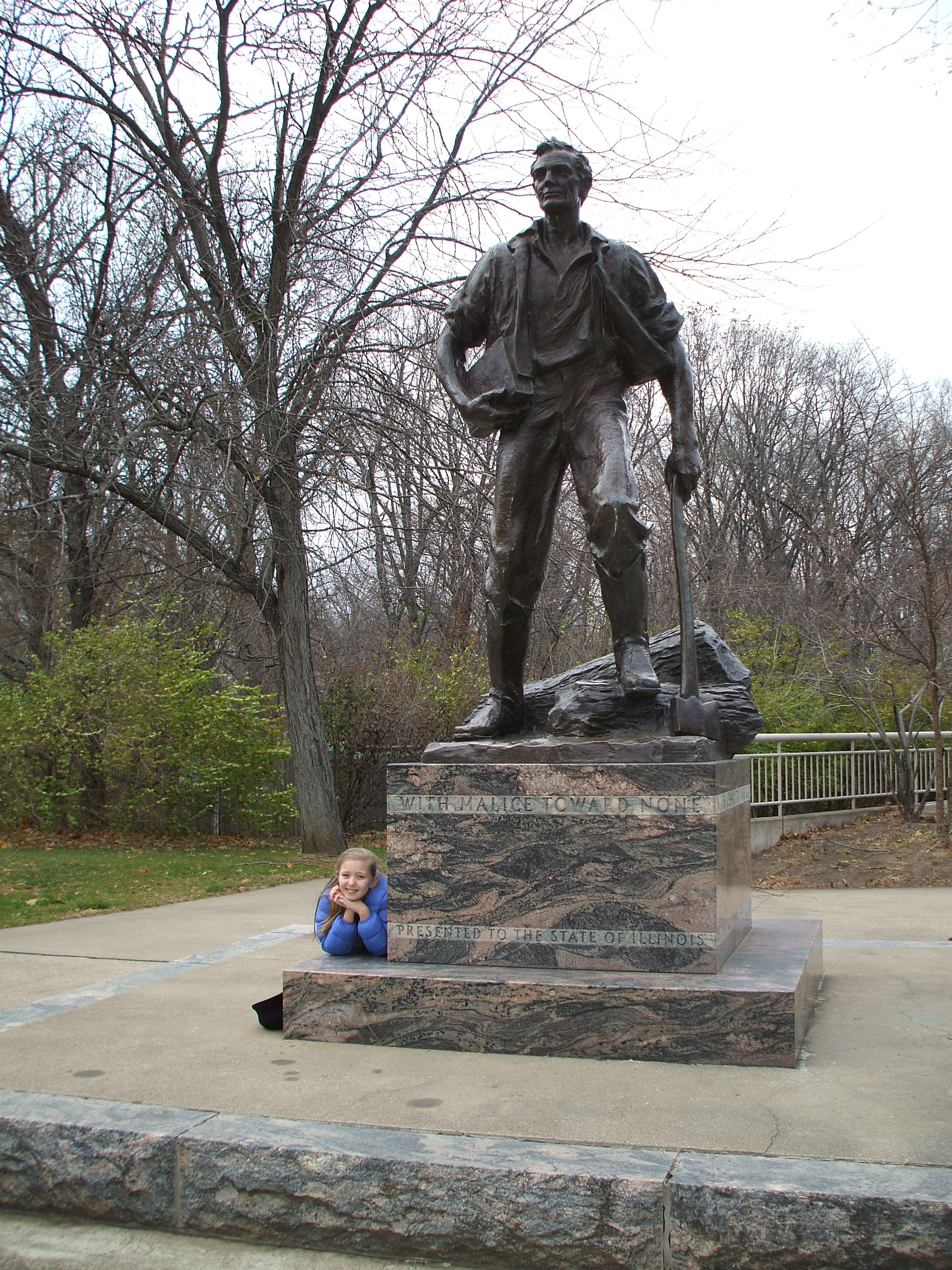
The visitor center had a very nice museum and a theater that showed a film about Lincoln’s time in New Salem.  We learned that a 22 year old Lincoln arrived and spent six years working several different jobs in the village.  He split rails and work on a river boat, was a store clerk and general store owner, served as the postmaster and deputy surveyor and enlisted as a soldier in the Black Hawk War.  He owned several businesses that failed before being elected to the Illinois General Assembly in 1834.
Visiting in the fall was a great (no crowds!) but I think we might plan a trip back to New Salem during the spring or summer months.  At that time, it becomes a living history experience with costumed interpreters who demonstrate their crafts as a blacksmith, shoemaker, carpenter, cooper, tanner and hat maker scattered throughout the village.

We enjoyed learning about Lincoln’s time in New Salem and I highly recommend a visit especially if you have school aged children.

Before planning a trip to Lincoln’s New Salem in Illinois, check out their website for directions, hours and other general information.  www.lincolnsnewsalem.com

For additional Abraham Lincoln sites and landmarks in other parts of the United States, please click on the link to the Lincoln Memorial which is located in Washington, D.C. and Springfield, IL Part One for information about the Lincoln Presidential Library and Springfield, IL Part Two for information about Lincoln’s Home, Law Offices and the Lincoln Tomb which is his final resting place.
Decor – Thanksgiving Table Decorations

On Thanksgiving morning Jeff is up early in the kitchen to prepare the turkey for the oven.  The smell of onions and celery cooking on the stove always brings back wonderful childhood memories – I loved waking up to the smell of my Mother fixing Thanksgiving dinner back home in California.  Another heavenly smell coming from the kitchen is the pumpkin pies baking in the oven and Jeff makes wonderfully delicious pumpkin pies but my favorite is his pumpkin cheesecake!  (Gosh, I’m suddenly hungry!)

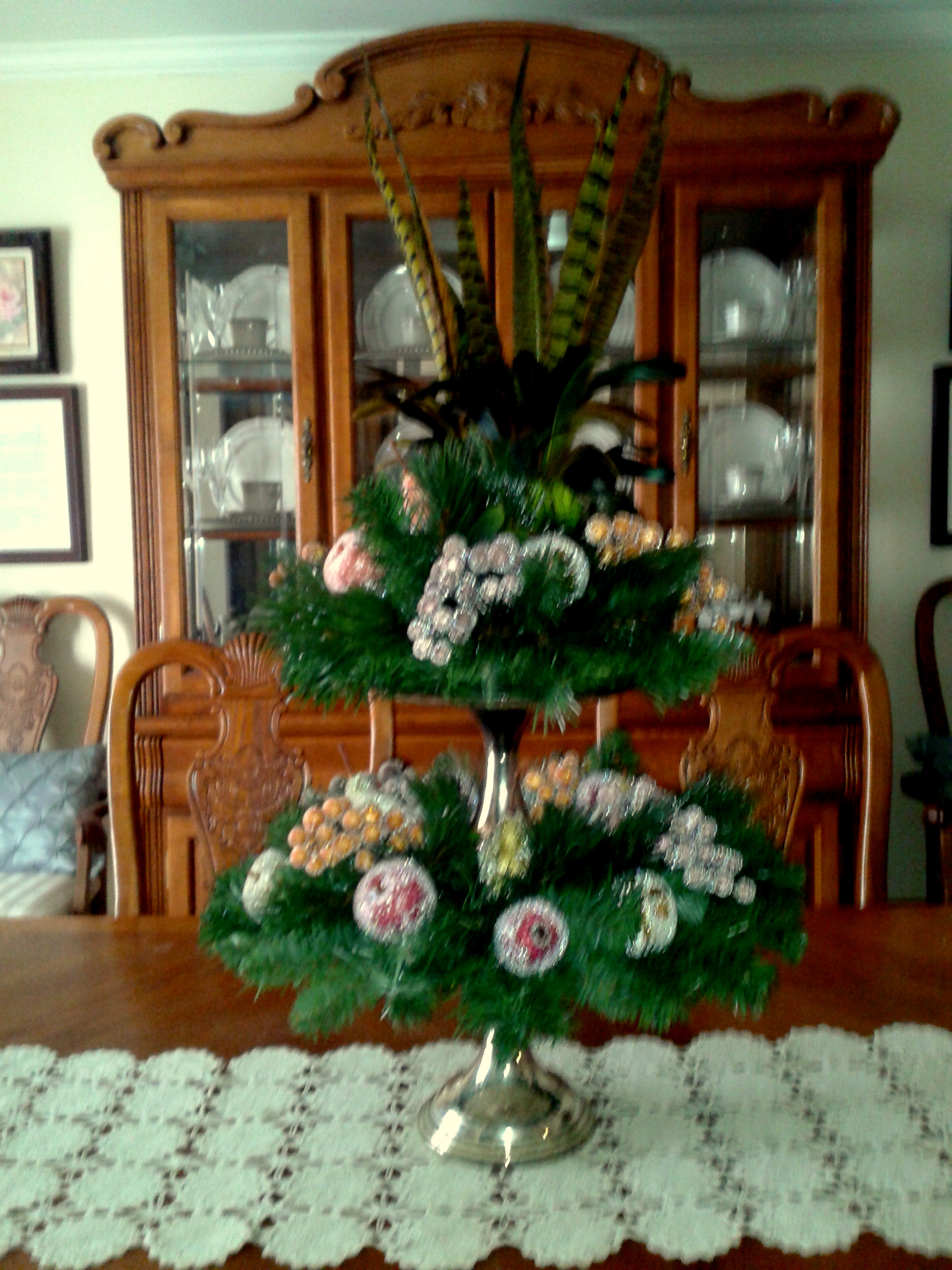
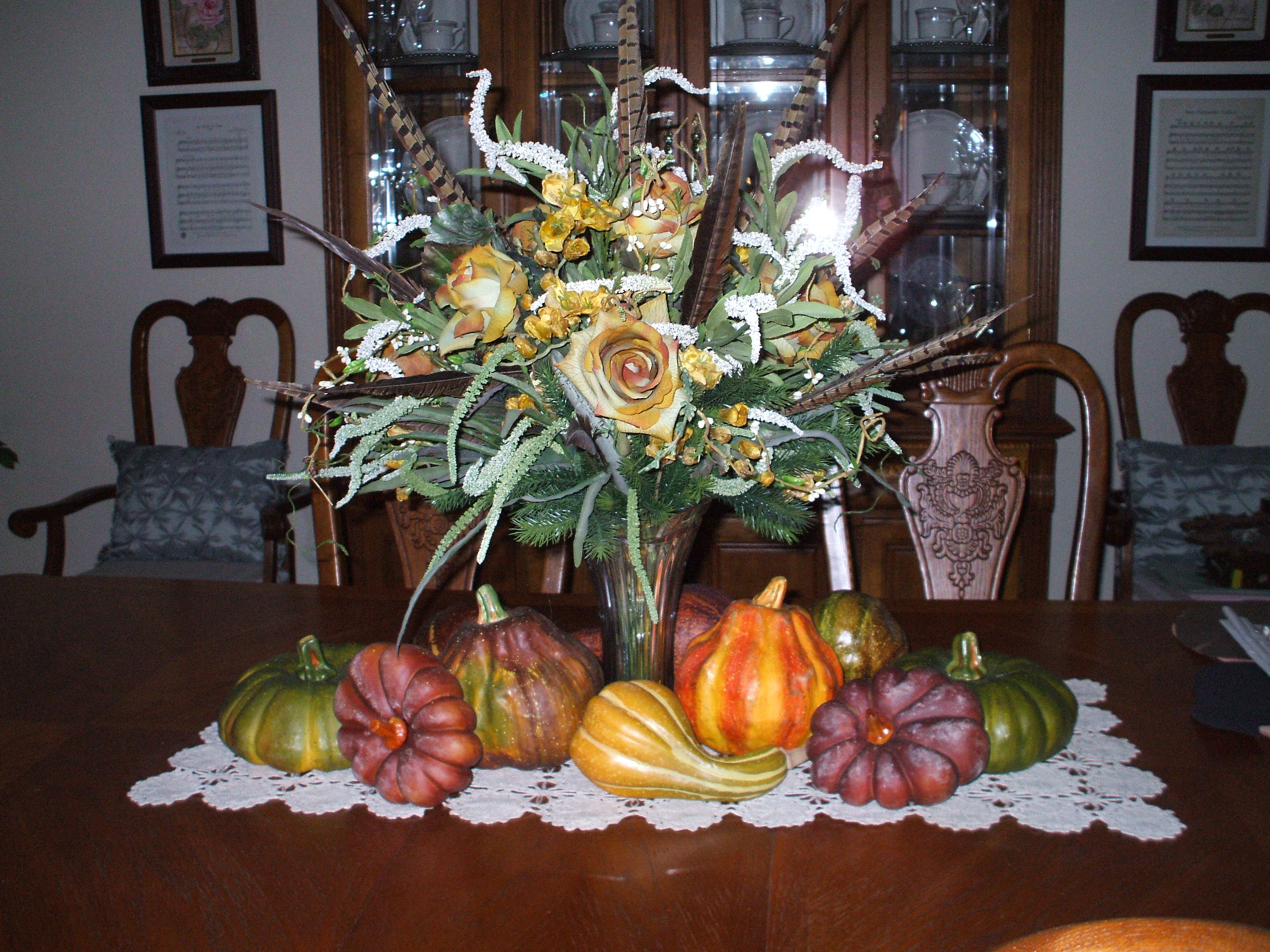
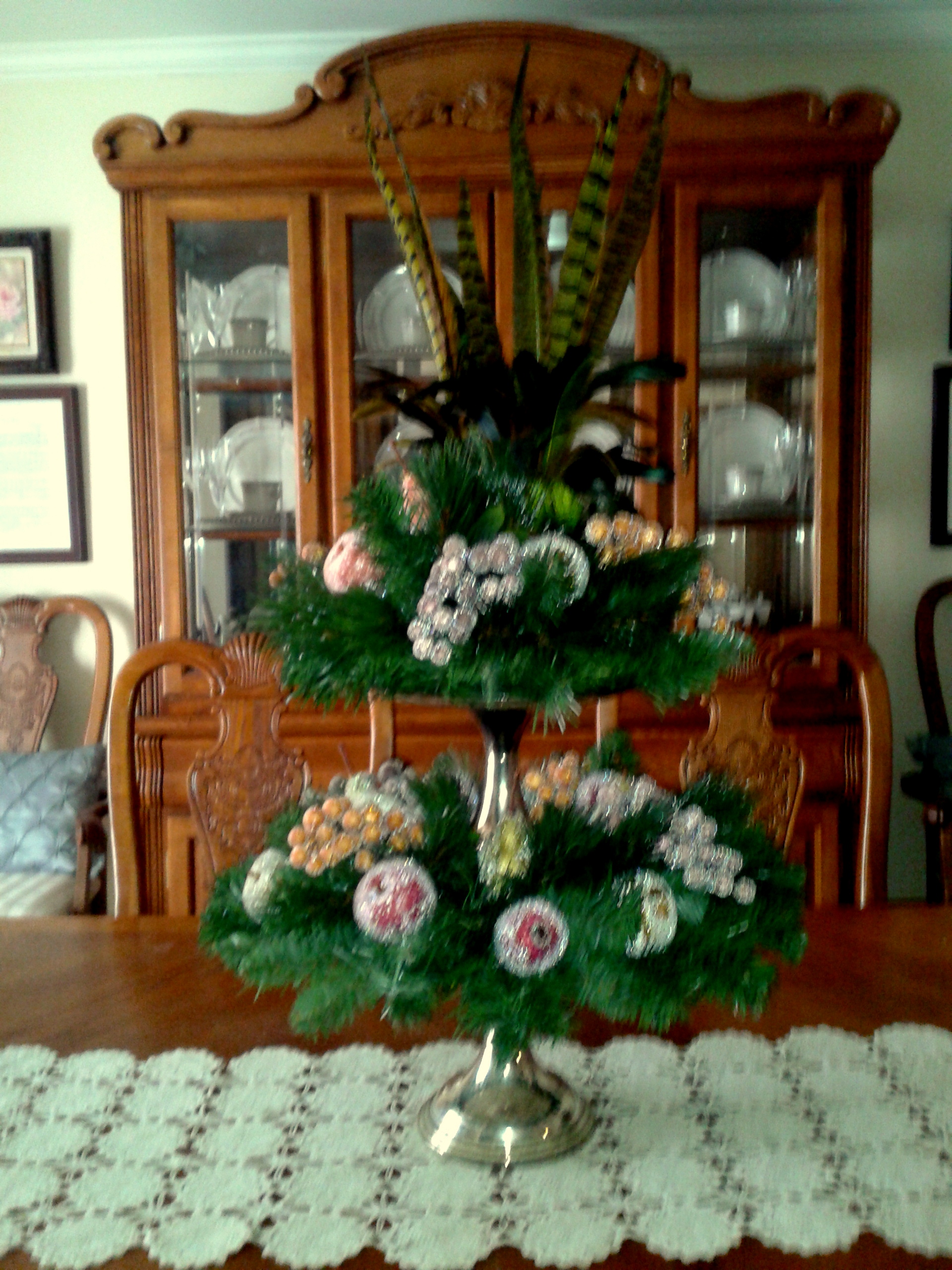
In our house, we have an ongoing family joke – Jeff is in charge of all the cooking and I am in charge of the presentation and setting a beautiful table.  Jeff actually enjoys preparing Thanksgiving dinner so I’m lucky that I don’t have to cook! The decorations in our dining room usually start with a floral arrangement of golden roses in a lovely Tiffany crystal vase that stays on the dining room table all year. (The photo shown above was taken last year) I always add peasant feathers to the arrangement with several small pumpkins and gourds placed around to give it a fall festive look.  This Fall season I am making a Victorian inspired centerpiece with fruits and feathers, the rose floral arrangement will be moved to the family room.  I think the new Fall centerpiece looks lovely on our dining room table and adds the perfect elegant touch. (Please see last week’s Craft post for full instructions for the Fall Victorian Centerpiece shown in the photo below.) When I change the holiday decorations it allows me the chance to be creative and make something new to keep the process fresh every year!

Since Thanksgiving is a time to gather for a wonderful dinner and give thanks, I wanted to have a special decoration to honor and remember our families.  Living so far from everyone on the west coast, we rarely have the huge celebrations like we had back in California.  Thanksgiving and Christmas celebrations were always the highlight of our holiday entertaining and we enjoyed having family and friends over to celebrate!  In the years since we moved to the Midwest, we have been very fortunate to spend Thanksgiving dinner with my Mother, Jeff’s Mother, Grandparents and also his Aunt and Uncle.  Many of those family members have passed away over the last few years and we miss them very much.  So, to complete the dining room decorations, there is a “Memory Tree” on the tea table.  This small tabletop pine tree is decorated with small family photo frames and golden feathers.  (Please see next week’s Craft post for directions on creating your own Memory Tree or Wreath as shown in the photo above.)


When the decorations are finished, I cover the table with an ivory tablecloth.  This year I will be using a lovely family crocheted tablecloth that I recently found in my Mother’s house.  I will set the table with our best china, vintage silverware and lovely crystal glasses.  Since my Mother recently passed away this year I will remember her when I set the table with the Noritake “Rothschild” china that she bought for our wedding.  I love the classic pattern and the colors are a lovely silver and muted blue.  For serving I will use pieces from my silver bowl and platter collection that I have loved finding in antique stores over the years.  When you take the time to set a beautiful table it honors your guests and lets them know the meal you celebrate together is special.

How do you set the table for your Thanksgiving meal?

Craft – Fall Victorian Centerpiece

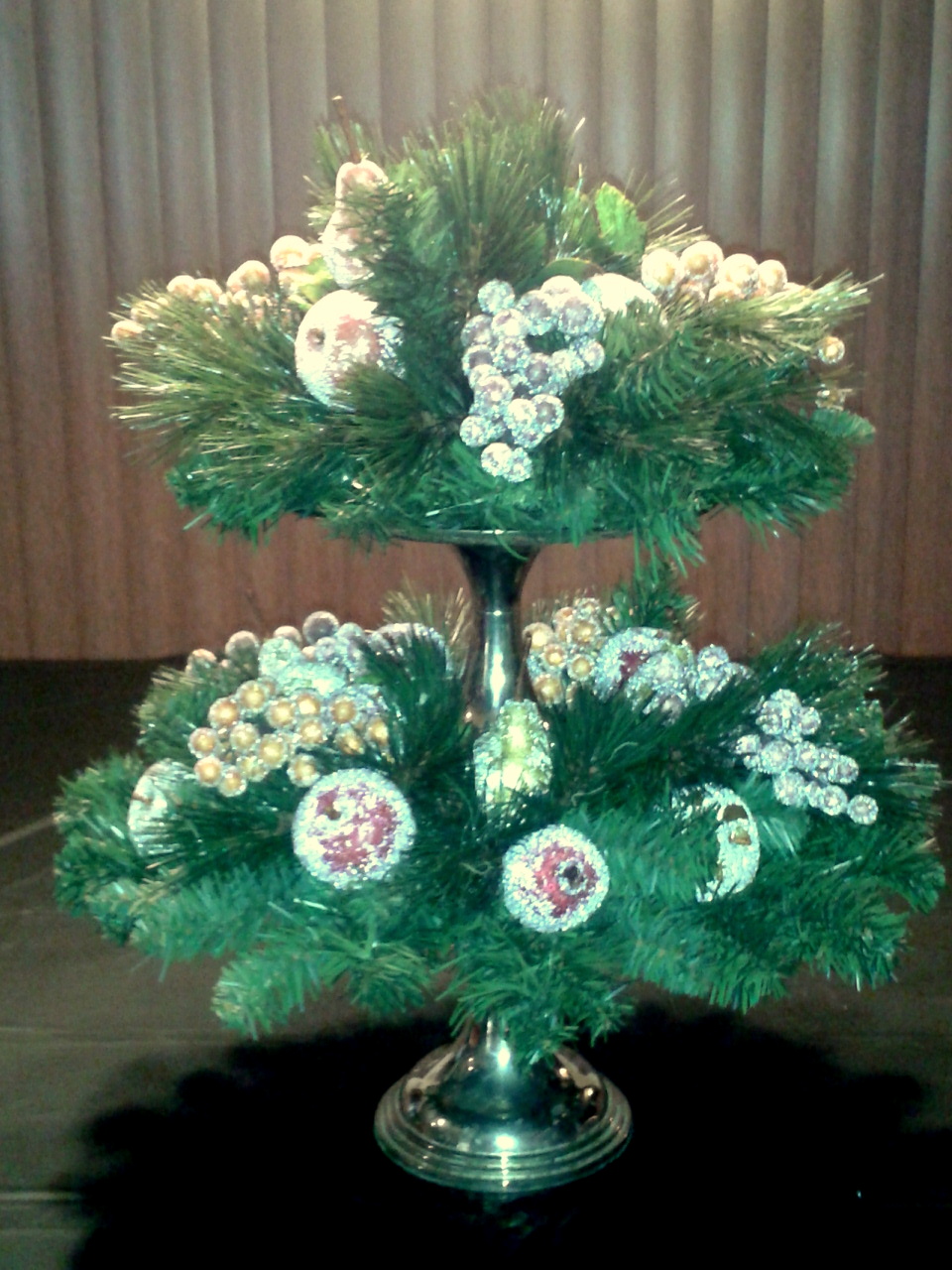
Throughout the year I keep the same floral arrangement, golden roses in a Tiffany vase, on my dining room table. This year I decided to make a special centerpiece with the rich colors of fall for our Thanksgiving table. I wanted something in a Victorian Style that was elegant, but not very complicated to create. The Victorians loved to mix fruit into their arrangements and this grand style reflects the era.  I thought an arrangement using these materials and this style would be perfect for our dining room.

Fall Victorian Centerpiece – supplies

  • 2   cake stands
  • 2   foam bricks, cut into pieces
  • 8   pine boughs, cut into individual pieces
  • assortment of artificial fruits – grapes, apples, pears and pomegranates
  • 3   pheasant feather sprays

Fall Victorian Centerpiece – instructions

  1. Cut one foam brick lengthwise and use the two pieces for the bottom tier, cut the edges at an angle if needed.  Cut the other foam brick in half and use one piece on the top tier.
  2. Cut pine boughs into individual pieces and insert each piece separately into the foam bricks, evenly spaced throughout each tier.
  3. Insert toothpicks into the bottom of each individual piece of fruit.  Insert each fruit separately into the foam bricks, evenly spaced throughout each tier.  Grapes can be secured by inserting the stem into the foam brick.
  4. To finish the top tier, insert pheasant feathers.


As you can see, the completed Fall Victorian Centerpiece looks lovely on our dining room table.  For this arrangement I used “sugared” fruit, but more realistic ones would work as well.  The look is very classic and elegant and will look beautiful when the table is set with our fine china, crystal and silverware for Thanksgiving dinner.

Travel – Amish Acres – Nappanee, Indiana


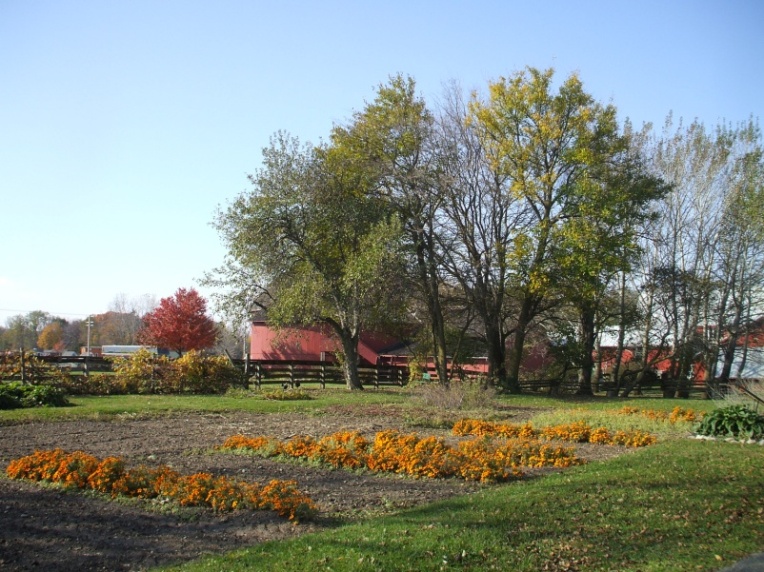
On a lovely fall weekend in 2011, we wanted to take a drive and maybe visit an interesting place.  We decided on a charming destination called Amish Acres located in Nappanee, Indiana.  The setting was absolutely beautiful.  As we walked around the 80 acre Amish farm and visited the 138 year old farm house if felt like time had stopped over a century ago.

To start the tour of Amish Acres, we watched a short film explaining the founding of the Amish in Europe.  The film explains their lifestyle, customs and religious beliefs.  It was interesting to hear how they integrate into the modern world, while retaining their simple way of life based on the technology of the past.

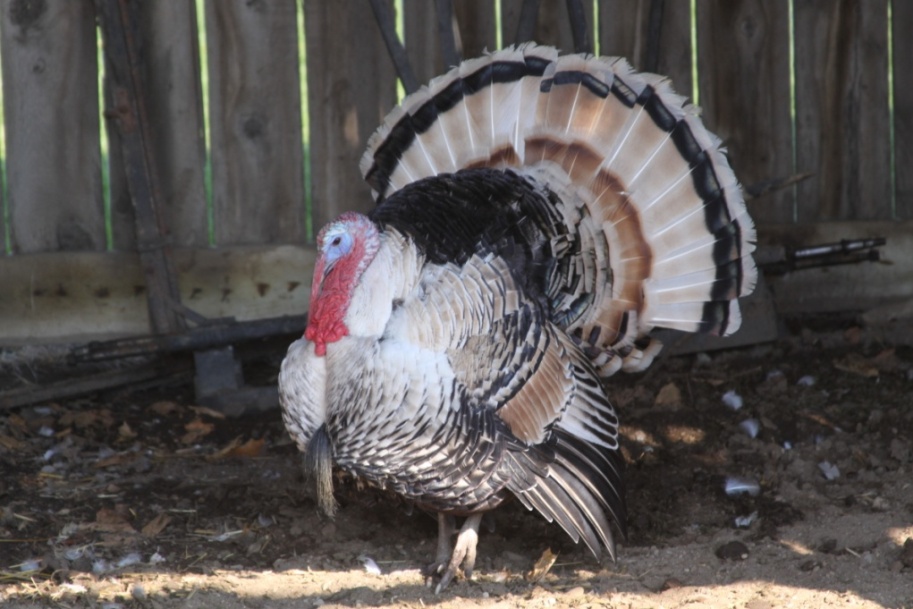
After the film, we took a tour of the apple orchards, kitchen garden, outbuildings and the highlight was the twelve room white farm house.  Later we walked around the beautiful grounds and peaked into the old barn with chickens, turkeys and roosters roaming all around.  There was even a traditional black Amish buggy in the wagon shed.  Then we took an easy walk down to the pond and past the cider & grist mill to a one room schoolhouse.

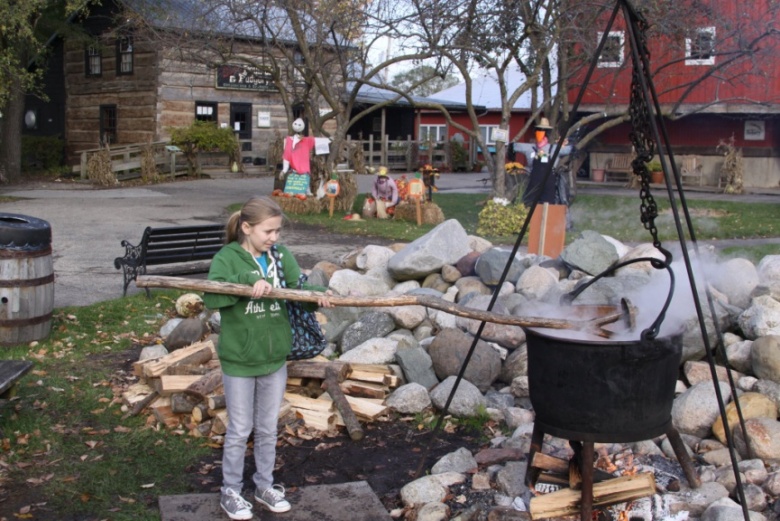
When we visited on a crisp cool fall day, they were making apple butter in a cast iron kettle over an open fire and we got to have a delicious taste.  We also took a farm wagon ride out to the pumpkin patch to pick Halloween pumpkins and roasted marshmallows over a camp fire.  (Mine were slightly burnt – but that’s how I like them!)

Amish Acres is a great place to visit.  Learning about the history and simple life of the Amish was very interesting and educational.  This area of northern Indiana was absolutely beautiful during the fall but I’m sure it is equally nice in the summer or spring.

Before planning a trip to Amish Acres in Indiana, check out their website for directions, hours and other general information.  www.amishacres.com

Celebration – The History of Thanksgiving


THE FIRST THANKSGIVING –

In 1620, a small ship named the Mayflower left Plymouth, England with 102 passengers.  They were seeking a new home where they could freely practice their faith and were lured by the promise of land ownership and future prosperity in the New World.  After a difficult 66 day voyage across the Atlantic Ocean, they arrived near present day Cape Cod at the mouth of the Hudson River.  Eventually the Pilgrims crossed Massachusetts Bay to establish a village they named Plymouth.

During that first brutal winter, the colonists were exposed to harsh weather conditions and they suffered from scurvy and contagious disease outbreaks.  When their first spring in the New World came only half of the original passengers had survived.  Weakened by malnutrition and illness, the Pilgrims formed an alliance with the local Native Americans tribe called the Wampanoag who taught them how to cultivate corn, catch fish in the rivers and avoid the poisonous plants.

In 1621, the Pilgrims organized a feast to celebrate their first successful corn harvest.  To show their respect and appreciation, they invited the Wampanoag.  Now remembered as America’s first Thanksgiving, no records exist of the historic menu.  The journals of the colonists mention a fowl hunting expedition and also note that the Wampanoag supplied the feast with five deer.  Historians suggest that many of the dishes served were prepared using traditional Native American cooking methods and local spices.  Since the Pilgrims sugar supply had dwindled over their first year in the New World, it is very unlikely that the menu included the pies or cakes that have become associated with our modern celebration.

THANKSGIVING AS AN OFFICAL HOLIDAY

In 1789, several years after the conclusion of the Revolutionary War, George Washington issued the first Thanksgiving proclamation.  He called upon Americans to express gratitude for the fight for independence and the successful ratification of the U.S. Constitution.  Both John Adams and Thomas Jefferson continued this tradition of  a Thanksgiving celebration during their presidential administrations.

In 1863, at the height of the Civil War, Abraham Lincoln proclaimed that a Thanksgiving Day will be celebrated the last Thursday in November to heal the wounds of the nation and pray for the widows and orphans of the war between the North and South.

It was celebrated on that day every year until 1939, when Franklin D. Roosevelt moved the holiday forward one week to extend the holiday shopping period as an attempt to increase retail sales during the Great Depression.  In 1941, a bill was signed making Thanksgiving officially the fourth Thursday in November and has been celebrated on that day ever since.