Craft -Twelve Days of Christmas Shadowbox

20141228_190202

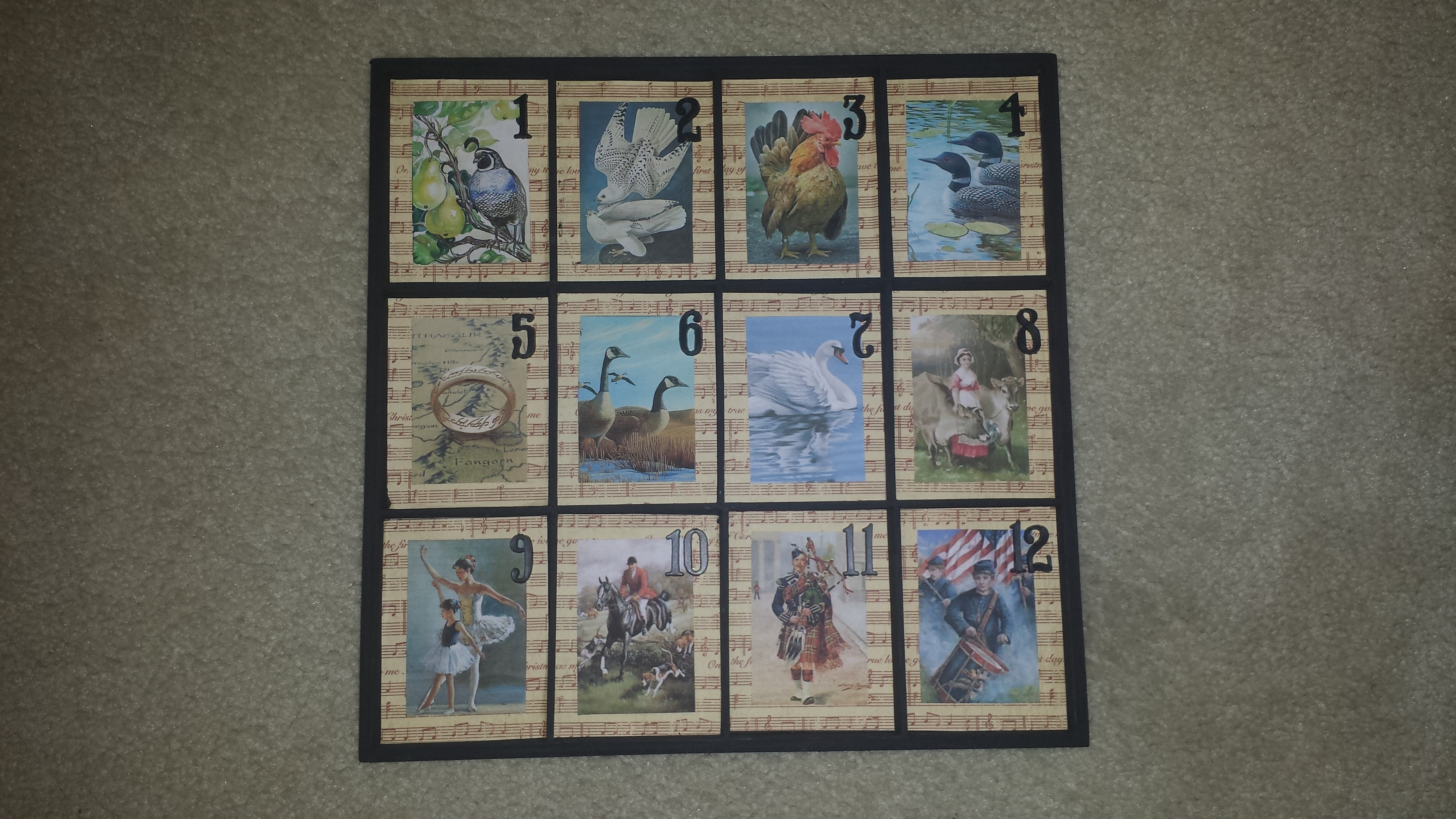
The Twelve Days of Christmas Shadowbox described in this craft post is a wonderful way to create a special piece of holiday artwork to display in a home either hung on the wall or placed on an easel in a bookcase or on the mantel.  This craft project is relatively simple to create requiring just a few supplies that should be available at a minimum cost.

“The Twelve Days of Christmas is an old English Christmas carol dating back to 1780.  The song is sung as a cumulative song which means that each of the twelves verses describes a special gift and is sung as a progressive addition to the previous verses.  The twelve gifts are:

A partridge in a pear tree,
Two turtle doves,
Three French hens,
Four calling birds,
Five golden rings,
Six geese a-laying,
Seven swans a-swimming,
Eight maids a-milking,
Nine ladies dancing,
Ten lords a-leaping,
Eleven pipers piping,
and
Twelve drummers drumming.

Special Note: The time period referred to in to the classic holiday song, “The Twelve Days of Christmas”, begins on Christmas Day and running through to the day before the Epiphany or January 5th.

Twelve Days of Christmas Shadowbox supplies

  • Wooden shadowbox with twelve divided spaces
  • “Twelve days of Christmas” illustrations, copies printed on a computer
  • One sheet of 12”x12” scrapbook paper, used for the shadowbox background
  • Black paint and paintbrush
  • Glue stick
  • Scissors
  • Sandpaper (optional)
  • Wooden or plastic numbers ranging from 1 to 12 (optional)

Twelve Days of Christmas Shadowbox instructions

Prior to starting the assembly of the shadowbox you need to find illustrations or photos to represent each of the “twelve days of Christmas”, so I highly recommend doing this a few days in advance.  Using my computer, I did a search on the internet for images for each of the “twelve days of Christmas”.  Here is a list of what is needed: a partridge in a pear tree, turtle doves, French hens, calling birds, golden rings, geese, swans, maids milking, ladies dancing, lords a leaping, piper and a drummer.

  1. Use sandpaper to smooth any rough edges of the wooden shadowbox.
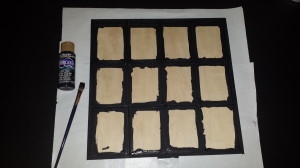
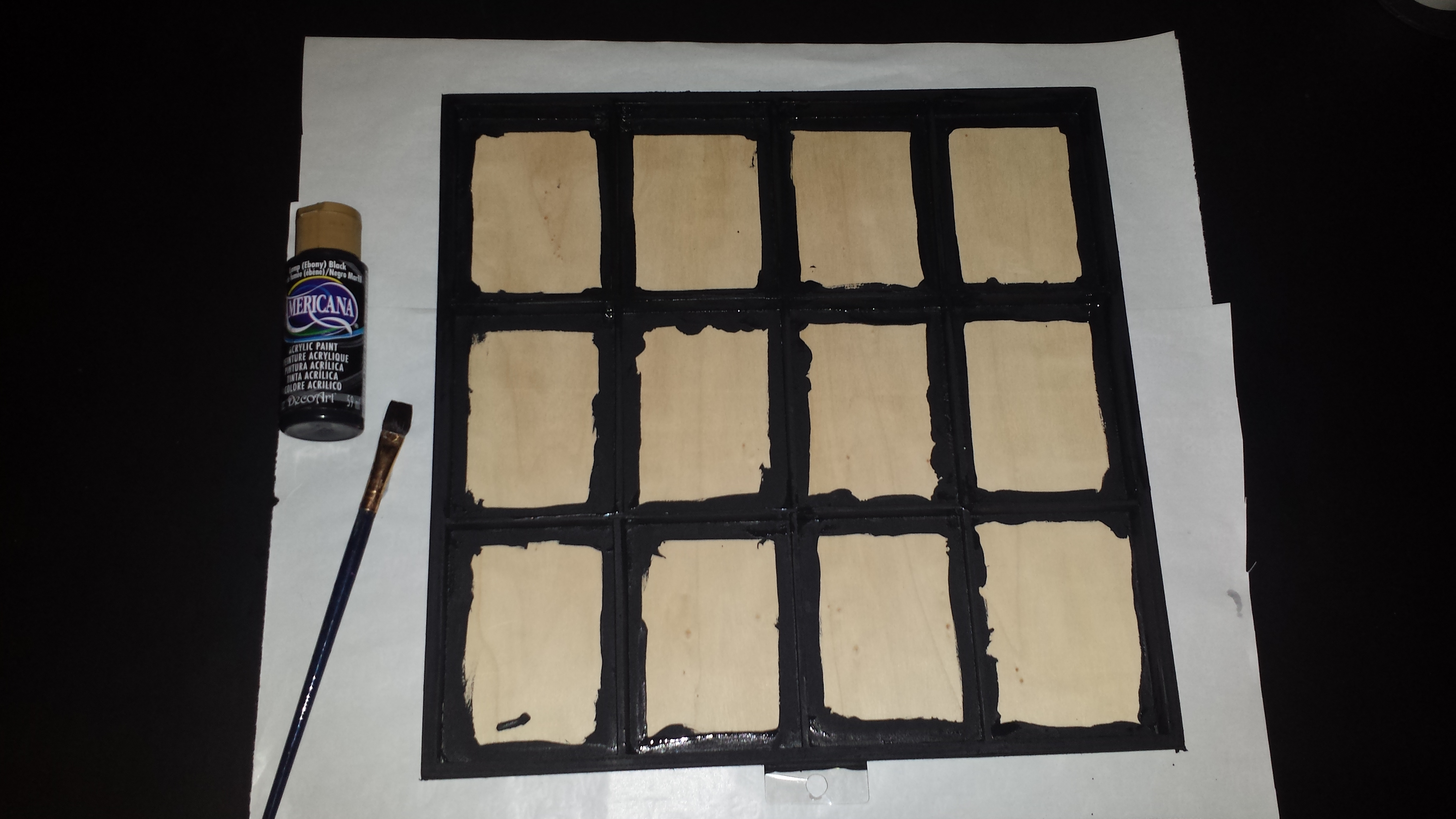
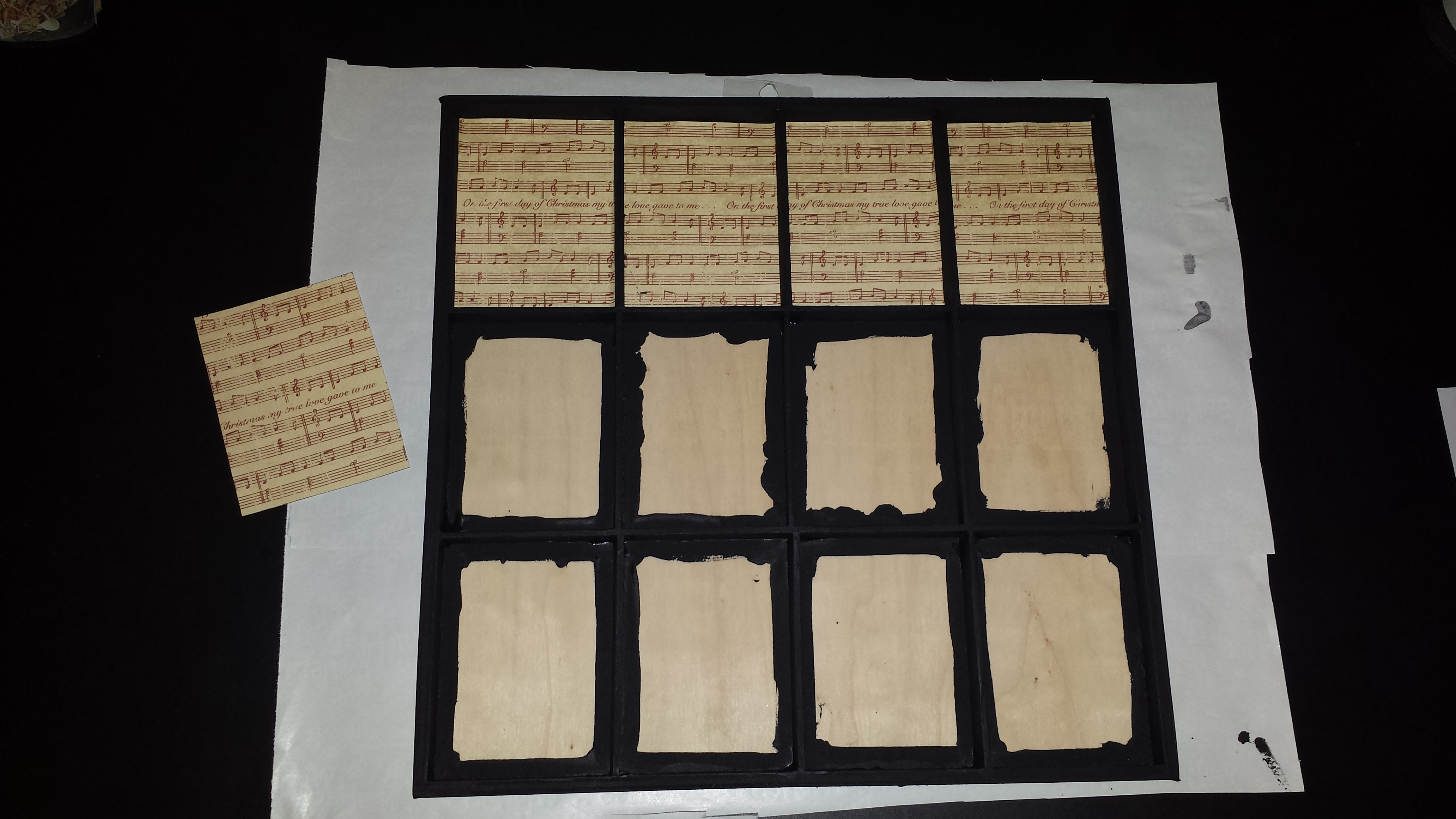
  2. Paint the shadowbox using black paint, be sure to cover the surface of the outer and interior edges of the shadowbox and the twelve individual spaces.  (Craft Tip: Do not paint the center area of each divided space; leave the space clear for glue to attach the scrapbook paper)
    20141224_101805
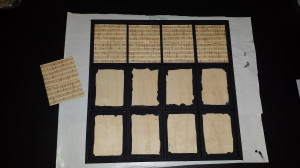
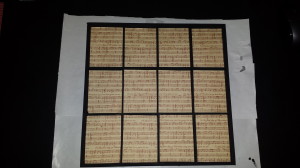
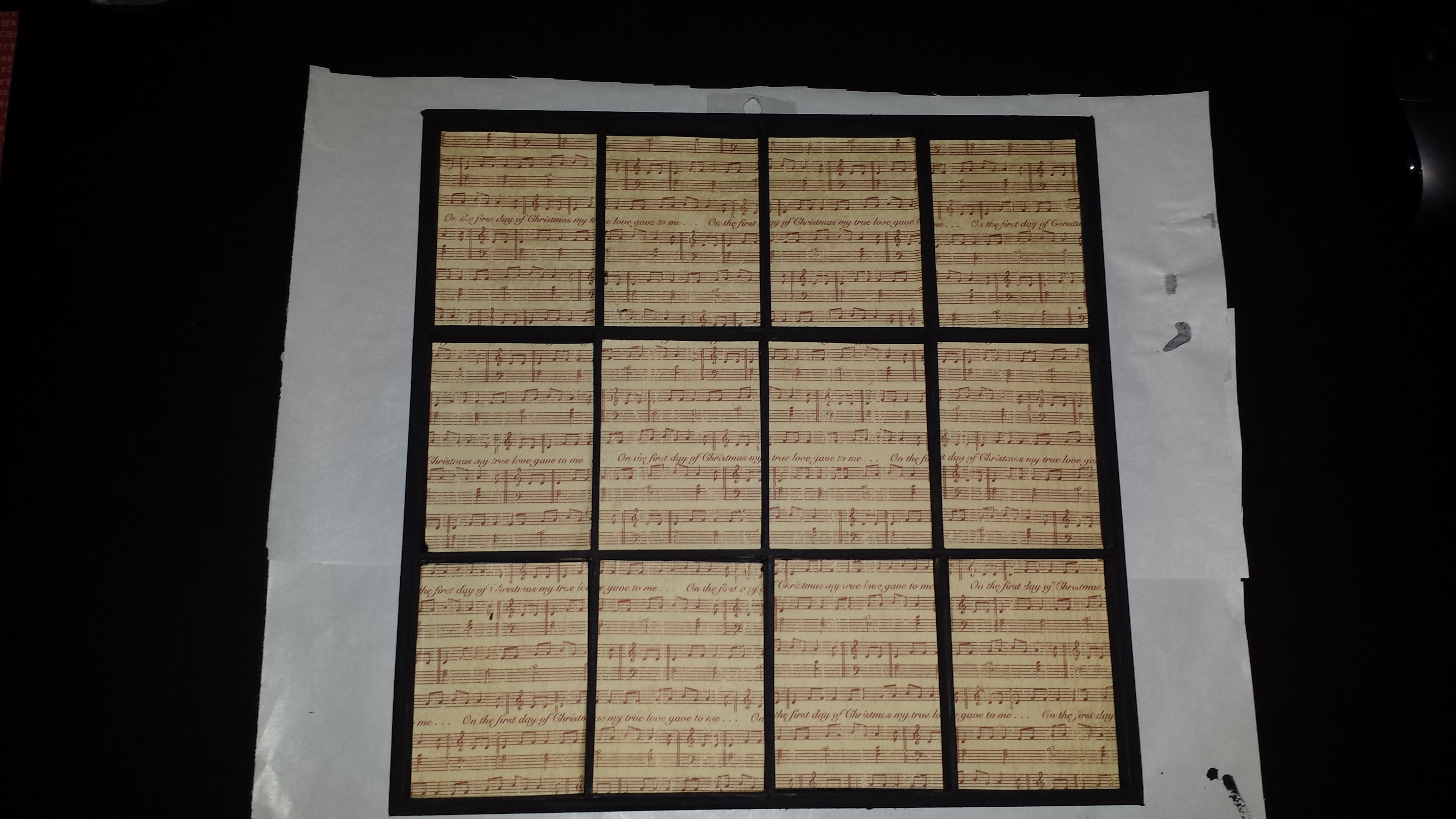
  3. Measure and cut scrapbook paper to fit into the divided spaces of the shadowbox, cut twelve pieces.  Glue each scrapbook piece into the twelve divided spaces of the shadowbox.  (Craft Tip: The first piece of scrapbook paper will become the “template” to cut the additional eleven pieces required for the project)
    20141224_110032    20141224_111143
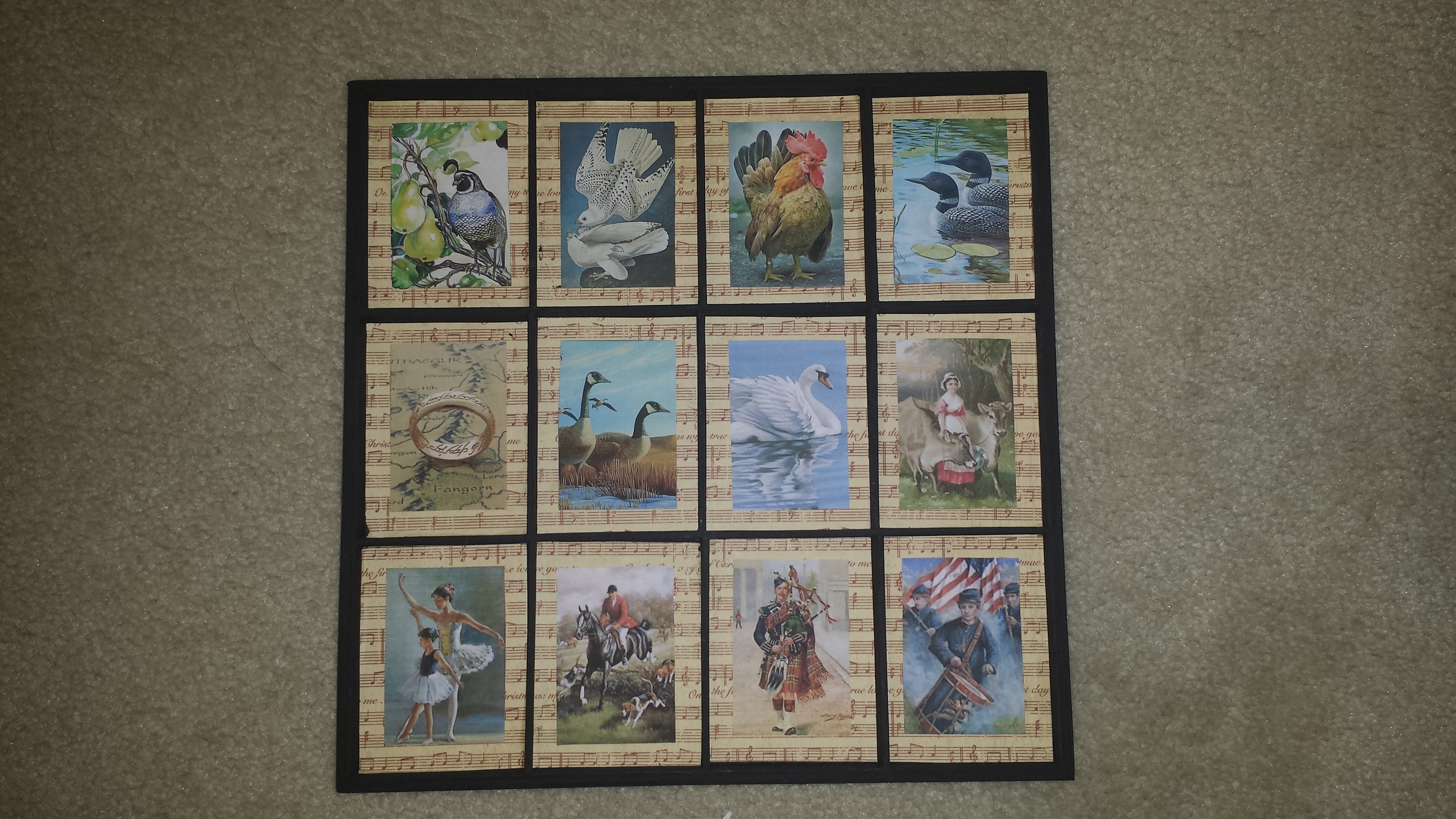
  4. After finding each image to represent the “twelve days of Christmas” copy to a file.  Then, print a copy of each image in a size that would fit into each of the twelve individual spaces of the shadowbox. (Craft Tip:  I used a wallet size print, then trimmed the copy so that there would be space all around the four sides to show the scrapbook paper.
  5. Optional step – Paint the wooden numbers, 1 to 12, with black paint.  Glue each to right corner of each of the twelve divided spaces.

20141226_124206


Celebration – Christmas at Sandringham

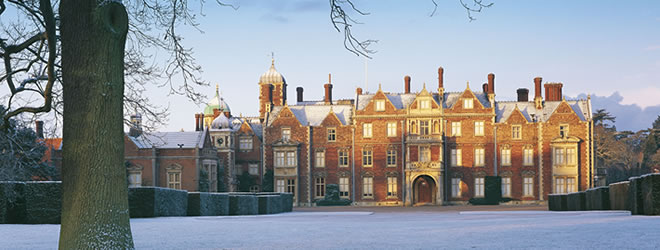
Sandringham in the winter

The history of the Sandringham Estate dates back to the time of Prince Albert, later known as King Edward VII, who was the eldest son of Queen Victoria.  In 1862, the Queen had purchased the property located in Norfolk, England for him shortly before his marriage to Princess Alexandra of Denmark in 1863.  The Royal couple made Sandaringham their country home and stayed there frequently when they were not in London to fulfill their official royal duties.  Over the next 150 years the Sandringham Estate has been used continuously by four generations of the British Royal Family and is currently privately owned by Queen Elizabeth II.   (For additional information about the history of the Sandringham Estate, please click on the link)

In 1926, the Queen, then known as Princess Elizabeth, was just eight months old when she first accompanied her parents, the Duke and Duchess of York, on a visit to Sandringham to see her grandparents, King George V and Queen Mary.  During the reign of King George V the annual tradition of spending Christmas at Sandringham was started and continued throughout the years of his reign until his death in 1936.  His son, King George VI, choose to continue the custom for another sixteen years until his own death at Sandringham in 1952.  Since that time, Queen Elizabeth has also chosen to spend the holiday season at Sandringham privately with her family but more importantly she uses the time for personal reflection on the anniversary of her father’s death in January and her own accession to the British throne.  Sandringham has become the official winter residence of the Queen every year from just before Christmas until sometime in the month of February.  She will spend the days privately with her family enjoying the beautiful grounds, hunting and riding.

The Queen will travel on the morning train from London to Sandringham a few days before Christmas to supervise the final holiday preparations and the members of the Royal Family will arrive at Sandringham House on Christmas Eve.  Even though this is a family celebration, strict protocol is observed and even the order of arrival is coordinated based on seniority determined by the line of succession with Prince Charles and his wife Camilla, the Duchess of Cornwall, arriving last since the Prince of Wales is the immediate heir to the throne.  Each of the Royal Family members has arrived at Sandringham with several pieces of luggage because they are expected to change outfits several times throughout each day of their stay for a variety of activities; such as afternoon tea, hunting or riding and formal dinners.  Finally, upon arrival at Sandringham, each person will be given an itinerary listing the events that will take place over the next few days with their scheduled times.

Sandringham - 2013 Queen Elizabeth traveling to Norfolk by train

On Christmas Eve, promptly at 4 pm, family members will gather for a traditional English tea which includes fresh baked scones and Earl Grey tea is served in the White Drawing Room.  Everyone will have freshen-up after their journey to Sandringham and after a brief rest they will have changed into beautiful tea dresses for the women and tweed suits for the men.  Standing in a place of prominence in the White Drawing Room will be a Norfolk spruce tree which has been cut from somewhere on the 1,000 acre Sandringham Estate and the younger members of the family will gather around to finish putting the ornaments and trimmings on the Christmas tree.

After the tea service, everyone will proceed into the Red Drawing Room to open the presents since the Queen prefers to have it done of Christmas Eve in order to reserve Christmas Day as a more solemn religious celebration.  Around the perimeter of the Red Drawing Room there are several trestle tables set up for each member of the Royal Family and, of course in keeping with tradition, the tables are organized in order of precedence and labeled with their names.  Despite the wealth of the Royal Family, inexpensive and humorous gifts are given and preferred over more expensive gifts.  Princess Diana found this out the hard way when after her marriage to Prince Charles and on her first Royal Christmas at Sandringham she bought cashmere sweaters and other expensive items for her new in-laws.

Xmas 4

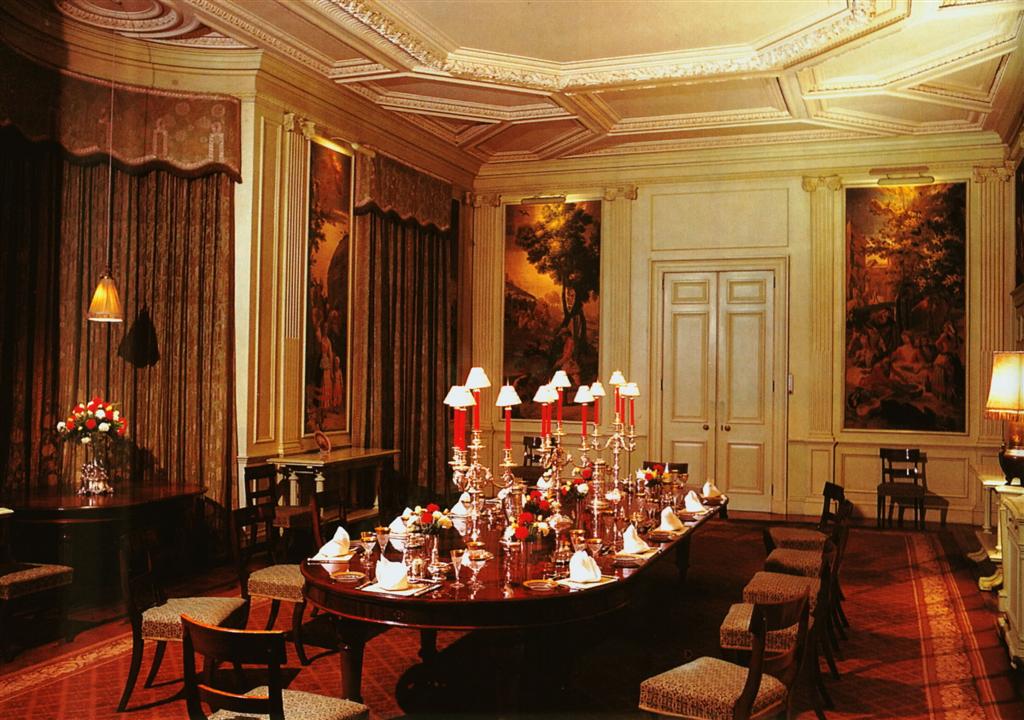
After opening the presents, everyone will return to their rooms to change into formal clothes for dinner, women will wear elegant evening gowns with their best jewels and men will be dressed in black tie.  The dinner gong rings promptly at 8 pm to call guests for pre-dinner drinks.  Then at 8:15 pm the Queen will lead everyone into Sandringham’s formal dining room which is aglow with candlelight and the table is set with the finest china, silver and crystal.  The three-course dinner will be finished around 10 pm and then the Queen and the other ladies will move into another room for coffee while the Duke of Edinburgh will remain with the other men in the dining room for brandy but at the request of the Queen there is no cigarette or cigar smoking.  Afterwards the two groups will join together to possibly play cards or other games and the evening will end at around midnight when the Queen retires for the evening, strict protocol requires that everyone remains at the party until the Queen goes up to her bedroom.

Christmas Day starts relatively early for the Royal Family with a full English breakfast, usually consisting of bacon, sausages, kippers and kidneys and a variety of side dishes.  After eating, the Queen and the Duke of Edinburgh will take a car while everyone else will walk to the nearby St. Mary Magdalene church to attend the 11 am Christmas service.  Along the path from Sandringham House to the church, people of the estate and neighboring villages will gather for a chance to see the Royal Family and offer their best wishes of “Happy Christmas”.  (For more information about the history and architecture of St. Mary Magdalene church, please click on the link to the Travel post about the Sandringham Estate)

Sandringham Christmas - 2013 Queen arriving at church    Sandringham Christmas - 2013 royals walk to church 1

After the church services, the Royal Family will return to Sandringham House to enjoy a traditional Christmas lunch that includes a Norfolk turkey and a selection of side dishes.  Then, after lunch everyone will gather at 3 pm to watch the Queen’s speech on television which is a long standing annual event broadcast on television for England and the British Commonwealth on Christmas Day, the Queen prefers to watch the broadcast in the privacy of her room.

Sandringham Christmas - dining table 1

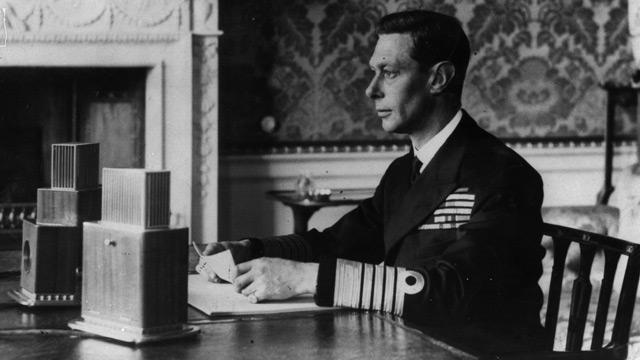
The custom of the Christmas message was started by the Queen’s grandfather, King George V, when he gave the first one by radio in 1932 from Sandringham House where two small rooms were temporary converted into BBC radio broadcast rooms.  King George V continued to give three more Christmas Messages until 1935; he died less than a month later in 1936.  There was no Christmas message during 1936 from his successor, King Edward VIII, who had abdicated later that year after a brief reign.  King George VI gave his first Christmas Message in 1937 graciously thanking the British people for their support during the first year of his reign; there was no Christmas broadcast in 1938.  It wasn’t until 1939 and the start of World War II that the Christmas broadcast became an annual tradition.  At that time, King George VI gave a special message which offered comforting words to reassure the British people during the difficult times.  For the King’s final broadcast in 1951, the radio message was pre-recorded rather than delivered live due to his difficulty in speaking due to his prolonged illness.

Sandringham - 1934 King George V Royal Christmas Message    Sandringham - 1939 King George VI Royal Christmas Message

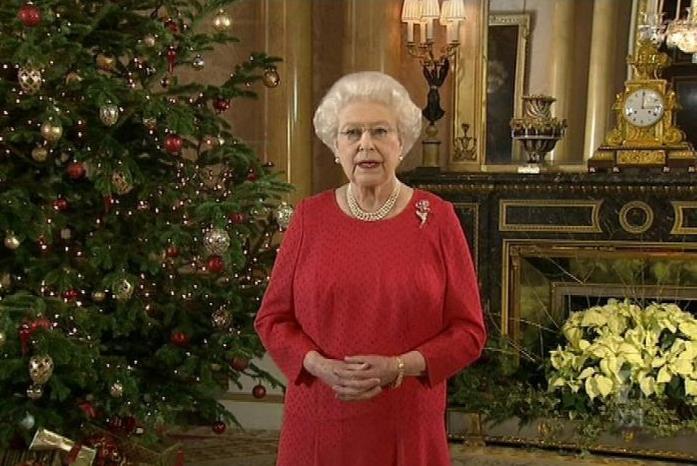
After the King’s death in February 1952, Queen Elizabeth II gave her first Christmas message later that same year.  She spoke of carrying on the tradition passed on by her grandfather and father, sitting at the same desk as they did, and asking for the nation to pray for her on the event of her coronation scheduled for the next summer.  The Queen continued the annual radio broadcast until 1957 when she made the first televised Christmas message.  Prior to 1960, the message was always broadcast live and then starting that year the speech was pre-recorded in advance to be played on Christmas Day.  Usually the location for the filming has been Buckingham Palace but other locations have been Windsor and Sandringham.  Throughout the years, with the exception of 1969 when no speech was given, the Queen has used the broadcast as a way to speak directly to her audience about world, national and even personal events of the past year.

Sandringham Christmas - Queen's address

After watching the Christmas Message broadcast the Royal family will play charades, board games or go for a walk around the grounds of the Sandringham Estate.  Later in the evening, an informal dinner is served and then perhaps more games or cards or simply spending time together relaxing before everyone retires for the evening.

The day after Christmas is known as Boxing Day in Britain and is traditionally when servants would receive gifts, a “Christmas Box”, from their employers.  The day at Sandringham usually begins with a kedgeree breakfast; it is a cooked fish dish made of boiled rice, parsley, hard-boiled eggs, curry powder, butter or cream.  After the meal, members of the Royal Family will participate in a traditional pheasant shoot.  The men are the only people who are allowed to take part in the shoot while ladies usually do not participate since they are customarily not allowed to use a gun in the presence of the queen. Once the shoot is over, everyone will start to leave to enjoy the rest of the holidays with other family members.  The Queen and the Duke of Edinburgh will remain at Sandringham for several more weeks until they depart sometime in February.

Travel – Sandringham in Norfolk, England

Sandringham

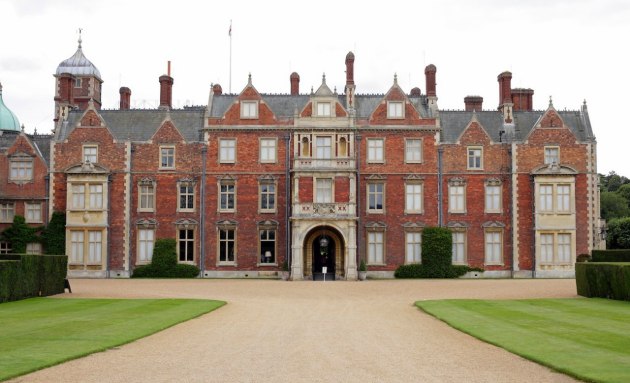
Sandringham House is privately owned by Queen Elizabeth II and sits on the 20,000 acre royal Sandringham Estate located in Norfolk, England.  The house has been used for over 150 years by four generations of the British Royal Family; most notably it was home to the young Prince Albert (the future King Edward VII). Sandringham House has witnessed many historical events and was the location of the deaths of three Kings; King Edward VII in 1901, King George V in 1935 and King George VI in 1952.  Sandringham House was also the site of the first ever Christmas message given by a British monarch via radio broadcast by King George V in 1932.

The history of Sandringham

Long ago, at the time of the reign of Queen Elizabeth I, a smaller house called Sandringham Hall was first built on this site in Norfolk by the architect Cornish Henley.  Later, when the house was owned by Charles Spencer Cowper during the 19th century an elaborate porch and conservatory designed by architect Samuel Sanders Teulon were added to the house.  Then in 1862 Sandringham was purchased for Queen Victoria’s eldest son, Prince Albert the Prince of Wales.  After Prince Albert married Princess Alexandra of Denmark in 1863 and it became their new country home.  (For more information on the wedding of this popular royal couple, please click on the following post – Royal Weddings Part Two)

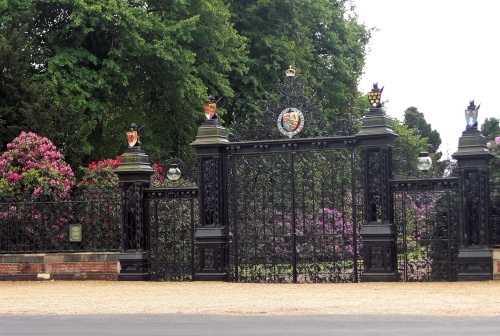
The royal couple quickly made many changes to the Sandringham estate with renovations to the main house, rebuilding cottages and construction of new roads on the property.  When the Prince found the house too small for his growing family and the existing house was demolished and replaced by the current Jacobean style red brick house in 1869 which was designed by architect A.J. Humbert.  After it was finally completed the new house included beautiful bay windows to bring light into the interior and a new wing with a grand ball room for when the royal couple entertained.  The newly renovated house also included some modern amenities; such as gas lighting and bathrooms with running water, flushing toilets and an early version of a shower.  The property also saw improvements done to the landscaping and a new garden wall was built incorporating the now famous Norwich Gate which is an impressive ironwork gate designed by Thomas Jekyll and was given to the royal couple as a wedding gift from the people of Norfolk and Norwich.
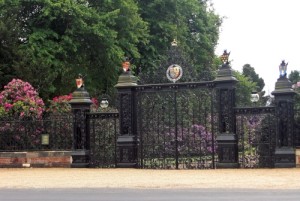
Sandringham Norwich Gates

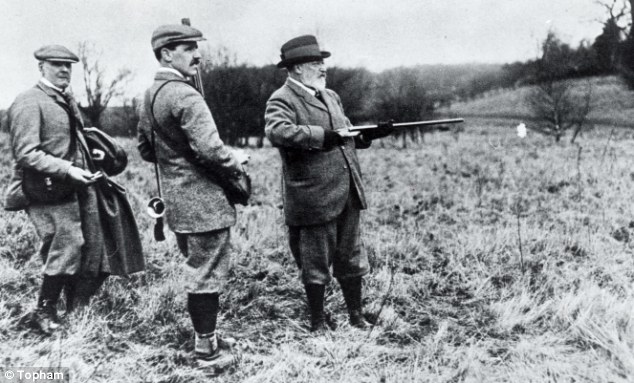
Sandringham was the place for intimate royal family gatherings and visits by important guests such as Prince Albert’s nephew, Kaiser Wilhelm of Germany and Prussia.  While in residence at Sandringham, the Prince thoroughly enjoyed the grounds of the estate, riding and hunting were two of his favorite outdoor activities.  Because of his love and passion for shooting, he devised a plan to make the most of the daylight hours during the winter months and for this reason clocks at Sandringham were set forward by a half an hour to allow more time for his favorite sport.  Some say that another reason for setting the clock back was because, much to King Edward’s annoyance, Queen Alexandra was constantly late.  Regardless of the reason, this custom became known as “Sandringham Time” on the estate and remained in effect even after King Edward VII death in 1910.  (Special note: King Edward VII’s son, King George V, honored the tradition set by his father and throughout his reign “Sandringham Time” stayed in effect until his own death in 1936.  At that time his son, King Edward VIII, set the clocks back to the correct time in defiance of his overbearing father)
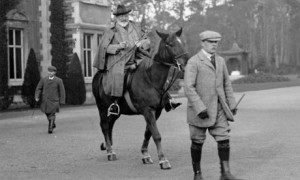
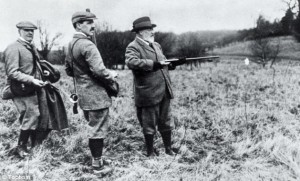
Edward VII    King Edward VII shooting at Sandringham 1

Throughout the years the relationship between Queen Victoria and her son, Prince Albert, was very strained due to the fact that she blamed him for the untimely death of her husband which she believed Prince Albert caused inadvertently.  The Queen also disapproved of her son’s pursuit of self-indulgent pleasures of drinking, gambling and his frequent associations with married women.  For these reasons she stayed away from Sandringham and never visited during her extended period of mourning for her beloved husband and her self-imposed seclusion from public life and strong aversion of her royal duties in London.  But when Prince Albert was diagnosed with typhoid fever, the same illness that took her husband, the Queen quickly went to Sandringham fearing the worst.  Fortunately the Prince survived and a grateful Queen and in fact the entire nation celebrated that the life of the popular Prince of Wales was spared.
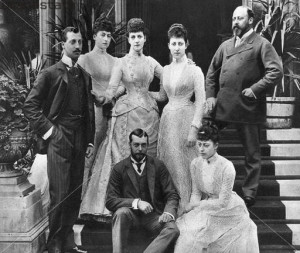
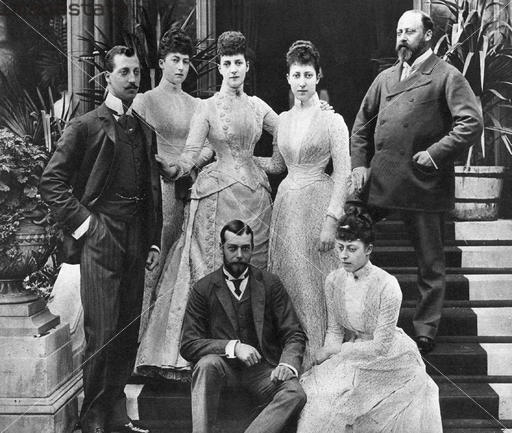
Prince ALbert later King Edward VII family

In 1892, more difficult times came to Sandringham when the eldest son of the Prince and Princess of Wales, known as Prince Albert the Duke of Clarence, suddenly became ill with influenza and sadly he died within a short period of time.  Queen Victoria was very fond of his fiancée, Princess Mark of Teck, and after a brief period of mourning she encouraged her to marry the brother, Prince George, who was now second in line to the throne.  So, it seems despite the tragic death of Prince Albert there was a happy ending when the Duke and Duchess of York were married in 1893.  The royal couple later moved into a smaller house on the Sandringham Estate where they lived together with their growing family for the next 30 years.   (For more information on the grand wedding of this royal couple, please click on the following post – Royal Weddings Part Two)

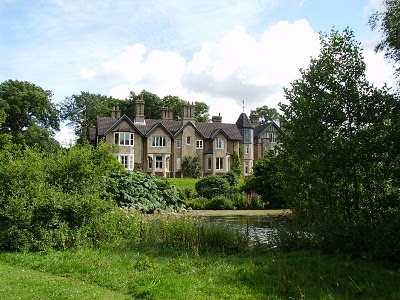
With the death of Queen Victoria in 1901, the new King Edward VII was required to be in London and he spent less time at his beloved Sandringham. He tried to visit Norfolk whenever he could and continued to make improvements on the estate.  Unfortunately his reign was very brief and lasted less than ten years.  Some say that his over indulgent lifestyle of eating, drinking and smoking ultimately lead to his poor health.  Over his last years, he suffered from severe bronchitis and towards the end a series of heart attacks.  He died on May 6, 1910 and is buried in St. George’s Chapel at Windsor Castle.  After his father’s death, the new King George V and Queen Mary were very gracious when they allowed his mother, Queen Alexandra, to remain living in Sandringham House until her death in 1925.  The royal couple continued to live in their smaller house on the estate which eventually became known as the York Cottage.
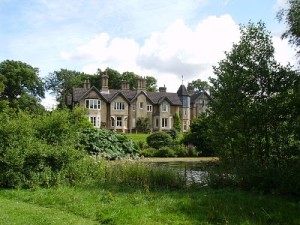
York Cottage - Sandringham

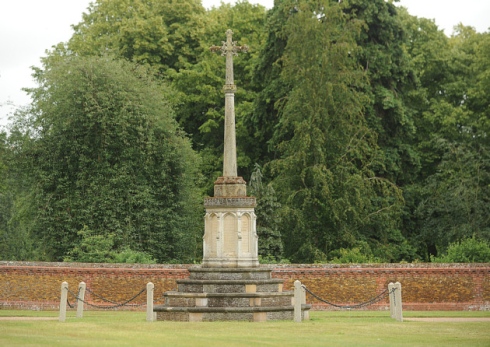
During World War I, the Sanringham estate workers and men of the small villages of Norfolk formed the 5th Norfolk Regiment which was led by Captain Frank Beck, the King’s estate land agent.  The Sandringham Company was eventually sent to fight the war in Europe and sadly the entire battalion was killed in the Battle of Gallipoli in August 1915.  Some historians state that the men were killed in the battle or perished in a deadly fire cause by an exploded shell and other historians believe that some men died in the battle while the other men were executed afterwards by the Turks who took no prisoners.  To honor these fallen heroes of “The Lost Battalion” a memorial was erected near the Church of St. Magdalene located on the Sandringham Estate and was dedicated in 1920 by King George V with Queen Mary and Queen Alexandra in attendance.  (Special Note: “All the King’s Men”, which tells the story of the Sandringham Company, is a novel written by Robert Penn Warren that was first published in 1946.  The book later adapted for film in 1947 and then again in 2006)
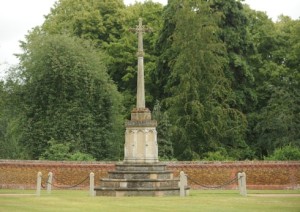
Sandringham Company WWI memorial

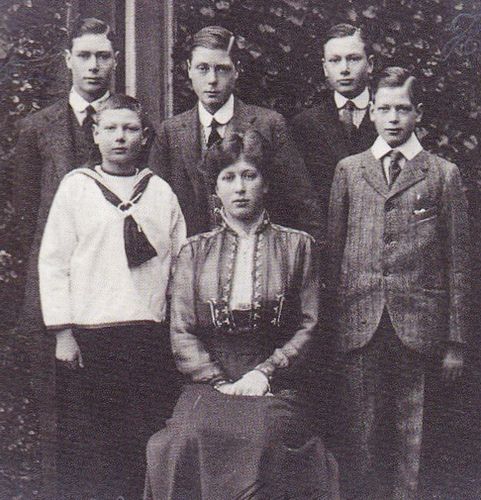
Sandringham was the setting of a very sad story that involved one member of the royal family.  Prince John (born: July 12, 1905) was the fifth son and youngest child of King George V and Queen Mary.  He was diagnosed with epilepsy at the age of four years old and he also suffered from an intellectual disability which was later identified as a form of autism.  As his condition continued to deteriorate he was sent to live with his governess in a small cottage on the Sandringham Estate.  He eventually became almost completely isolated from members of his family with only infrequent visits by his mother and older brother.  Sadly he died at the age of thirteen on January 18, 1919 after a severe seizure and is buried in the cemetery at St. Mary Magdalene located on the estate.  Information about his condition was only released to the public after his death and there has been much controversy about his seemingly unsympathetic treatment and disappearance from the royal family but in reality he received excellent care from his loving governess and enjoyed a pleasant but quiet life living on the Sandringham Estate.   (Special note: The touching story of the short life of Prince John was made into a BBC movie in 2003.  “The Lost Prince” was written and directed by Stephen Poliakoff and is currently available on DVD)
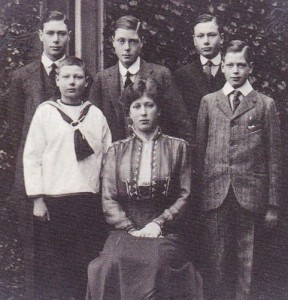
Children of King George V and Queen Mary

After King George V died at Sandringham on January 20, 1936, the estate passed to his eldest son who became King Edward VIII.  Less than a year after his accession and his unexpected abdication, a problem developed when the former King Edward VII still held the rights to the Sandringham and Balmoral estates.  Both estates had been purchased as private properties during the reign of Queen Victoria and were not included as part of the British Royal Crown.  Fortunately the matter was resolved when a financial settlement was quickly reached and the ownership of the both properties was transferred to his brother, the new King George VI.  (Special note:  Today, both Sandringham and Balmoral remain the private estates of Queen Elizabeth II who inherited them from her father when he died)

King George VI was born in 1895 in York Cottage located on the Sandringham estate. He had many fond childhood memories spent there with his grandfather and father.  Throughout the years he continued to traditionally spent the Christmas holidays there with his wife, Queen Elizabeth, and their two daughters Princess Elizabeth and Princess Margaret.  Sadly, King George VI died in his sleep at Sandringham House on the night of February 6, 1952.  It has been said that the stress of his brother’s abdication, his accession and duties as King during World War II along with his daily smoking habit caused his health to deteriorate over time and he died at a relatively young age of 56 years old.  His coffin was laid in St. Mary Magdalene church for two days before it was taken by train to London then a funeral service and burial in St. George’s Chapel at Windsor Castle.

Queen Elizabeth II, the current monarch of England, also loves Sandringham and enjoys the seclusion of the English countryside.  She first visited there for Christmas 1926 when she was just eight months old.  She returned often and made regular visits with her parents to see her grandparents, King George V and Queen Mary.  During World War II King George VI sent Princess Elizabeth and her sister, Princess Margaret,  to Windsor Caslte and they also spent extended periods of time at Sandringham staying at Appleton House to avoid the frequent and very dangerous German bombings of London.
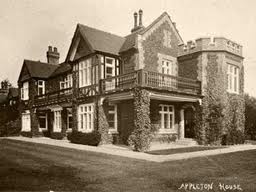
Appleton House - Sandringham

Queen Elizabeth has customarily spent the anniversary of her father’s death and her subsequent accession quietly and privately with her immediate family at Sandringham House.  She will arrive just before Christmas and remain there for the entire month of February.  She enjoys spending time there with her children, grandchildren and now great-grandchildren.  (For more information on how the Royal Family spends Christmas at Sandringham and their holiday traditions, please click on the link)

There are several additional houses and cottages located on the Sandringham Estate and some of these have been mentioned already in this post.  Listed below are a few more buildings:

St. Mary Magdalene Church –

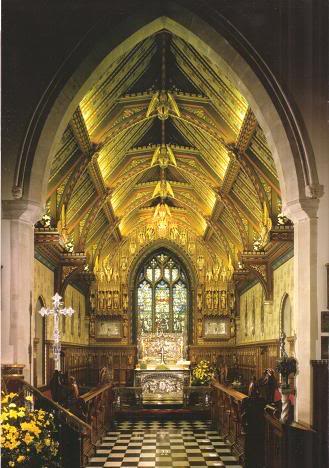
St, Mary Magdalene Church is a relatively small parish church located on the Sandringham Estate just a short distance from the Sandringham House.  The building dates back to the 19th century and a beautiful chancel, the space around the altar in the sanctuary, features carved angels on either side of the silver altar were a gift from Queen Alexandra to pay tribute to her husband, King Edward II.  Other notable features in the church include a silver pulpit, a 17th century Spanish silver cross and a Florentine marble font.

The church is of great historical interest since it has been used since the time of Queen Victoria and there are many memorials dedicated to members of the Royal Family.  As previously mentioned, Prince John, the son of King George VI, is buried in the adjacent cemetery and after his death in 1952 King George VI laid in state in the church for two days prior to his funeral and burial at Windsor.  The church is still used frequently by the Royal Family whenever they are in residence at the Sandringham Estate which is usually during the Christmas season every year.
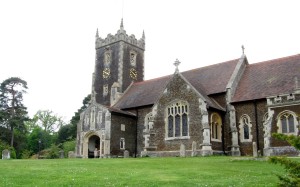
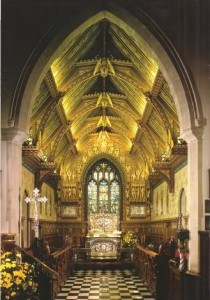
Sandringham Christmas - St Mary Magdalene church    Sandringham Christmas - St Mary Magdalene church - interior

Park House –

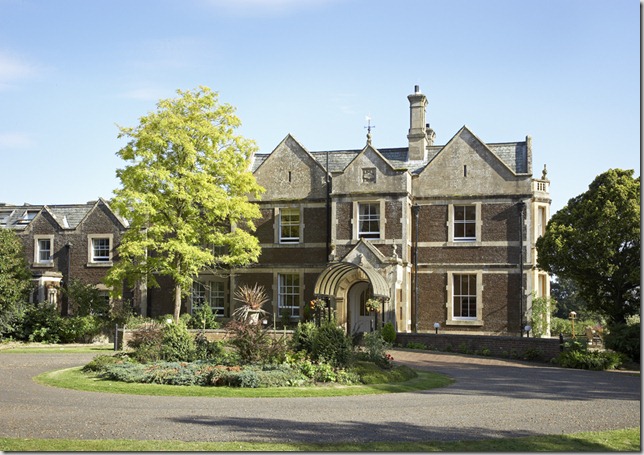
Park House is located just west of Sandringham House.  When Prince Albert (later King Edward VII) acquired the property in 1862 he had several additional houses, including Park House, built to accommodate his numerous guests.  Then, in the 1930s, King George V leased Park House his friend Edmund Roche, the 4th Baron of Fermoy.  Edmund’s daughter Frances was born there in 1936.  Frances later married John Spencer, Viscount Althorp, in 1954.  Their daughter Diana, the future Princess of Wales, was born there in 1961.  Park House was Diana’s childhood home and Viscount Spencer continued leasing the house until 1975 when he became the Earl Spencer and the family moved to Althorp.  (Special note:  In 1983, Queen Elizabeth offered Park House to the Leonard Cheshire Disability organization to use as a hotel for disabled people and is now is specially designed and equipped to accommodate their needs)
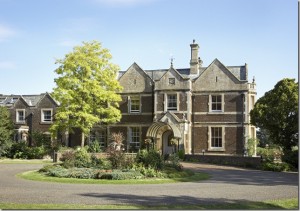
Park House - Sandringham

Anmer Hall –

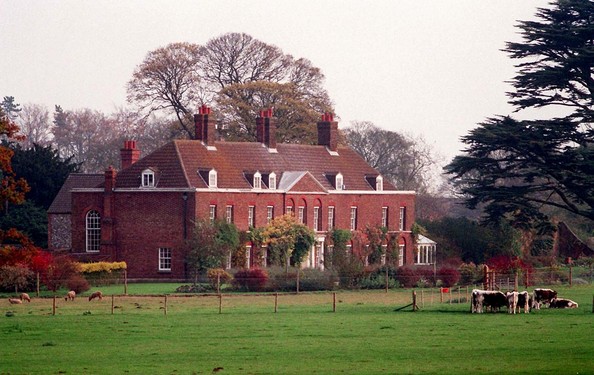
Anmer Hall is a Georgian-style country house built in the 18th century and is located just east of Sandringham.  Several years after Sandringham was bought by Queen Victoria for her son, Prince Albert (later King Edward VII), Anmer Hall and the surrounding land was added to the estate in 1898.  The south side of the red brick house features thirteen bays topped with stone pediments and a porch with two Tuscan-style columns while the north side of the house features a covered porch entrance.  Throughout the years the house has been a private residence for various occupants associated with the Royal Family, such as the Duke and Duchess of Kent who used it as their country house from 1972 to 1990. Recently, after the wedding of Queen Elizabeth’s grandson Prince William to Kate, the house was given to the young Royal couple.  The new Duke and Duchess of Cambridge have hired Charles Morris, the architect who previously worked on Prince Charles’ Highgrove House, to design extensive renovations to Anmer Hall which should be completed in time for Christmas 2014.
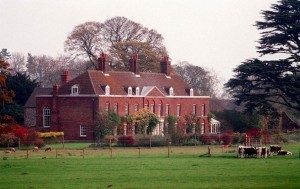
Anmer Hall - Sandringham

Tourist information for visiting Sandringham

As previously mentioned, the 20,000 acre Sandringham Estate is privately owned by Queen Elizabeth II and is located in Norfolk, England.  The house has been used for over 150 years by four generations of the British Royal Family.  The gardens of Sandringham were first opened to the public by King Edward VII in 1908, later the Sandringham Museum was opened by King George V in 1930 and Sandringham House was opened to the public by Queen Elizabeth II in 1977.

Guests should start their visit to the Sandringham Estate at the Visitor Center.  The recommended time of a typical visit is 3 to 4 hours for guests to tour Sandringham House, visit the museum, walk through the beautiful gardens, shop in the gift shop and even have something to eat at the restaurant.  For specific information regardes dates and hours of operation, prices and additional tour information please check their website at www.sandringhamestate.co.uk
Decor – English Christmas Decorations and Traditions

Many of the Christmas traditions that we celebrate here in the United States came started centuries ago in England.  Here are some of my favorite traditions and wonderful ways that I use these ideas to decorate our home during the holiday season:

Father Christmas/Santa Claus –

Across the world Santa Claus is known by many different names and in England he goes by the name of Father Christmas, in Ireland it is Daidi na Nollag, in Italy it is Babbo Natale, in Spain it is Papa Noel and in France it is Pere Noel.

In 16th century England, the feast day of Saint Nicholas was no longer celebrated due to King Henry VIII’s break with the Catholic Church centered in Rome.  Centuries later, the Father Christmas character, normally associated with the feast of Saint Nicholas, was revived during the reign of Queen Victoria and generally pictured as a large man wearing a crimson robe lined with fur.
Today in America, the character known by Kris Kringle or more commonly by the name Santa Claus became famous in the 1823 poem, “A Visit From St. Nicholas” and later by an 1897 editorial in the New York Sun newspaper that answered the important question of his existence with the response, “Yes, Virginia, there is a Santa Claus”.  The popular character which has become a major part of Christmas in the United is usually depicted as a large man with a white beard wearing a red coat trimmed with a white collar and cuffs matching red trousers also trimmed in white and a black leather belt and black leather boots.  The story of Santa Claus was written in the famous 1934 song, “Santa Claus is Coming to Town” is said to have a list of children throughout the world, the naughty ones get a piece of coal in their stockings and the nice ones receive wonderful gifts of toys and candy on Christmas Eve.  Santa lives far away in the North Pole and the elves help to make the toys and the presents are loaded onto Santa’s sleigh which is pulled by eight reindeer that fly.

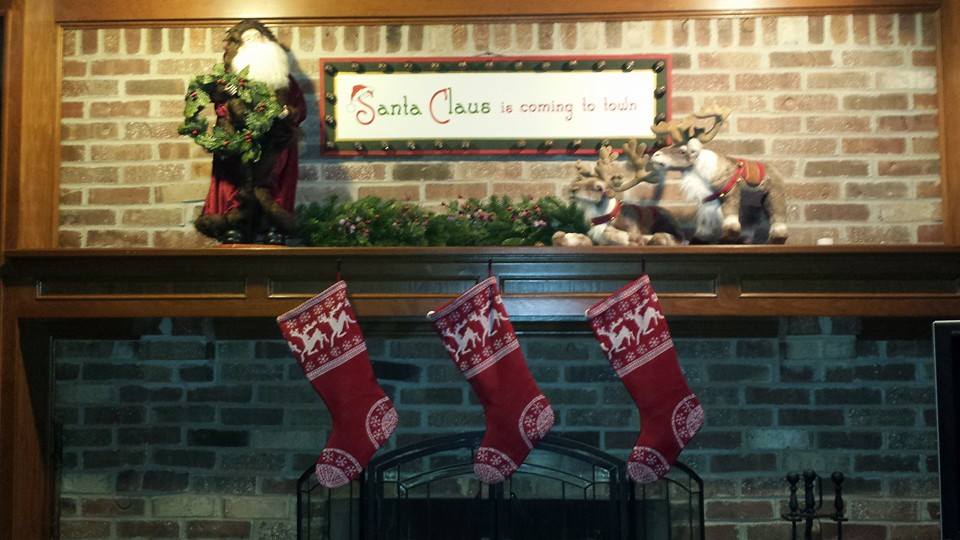
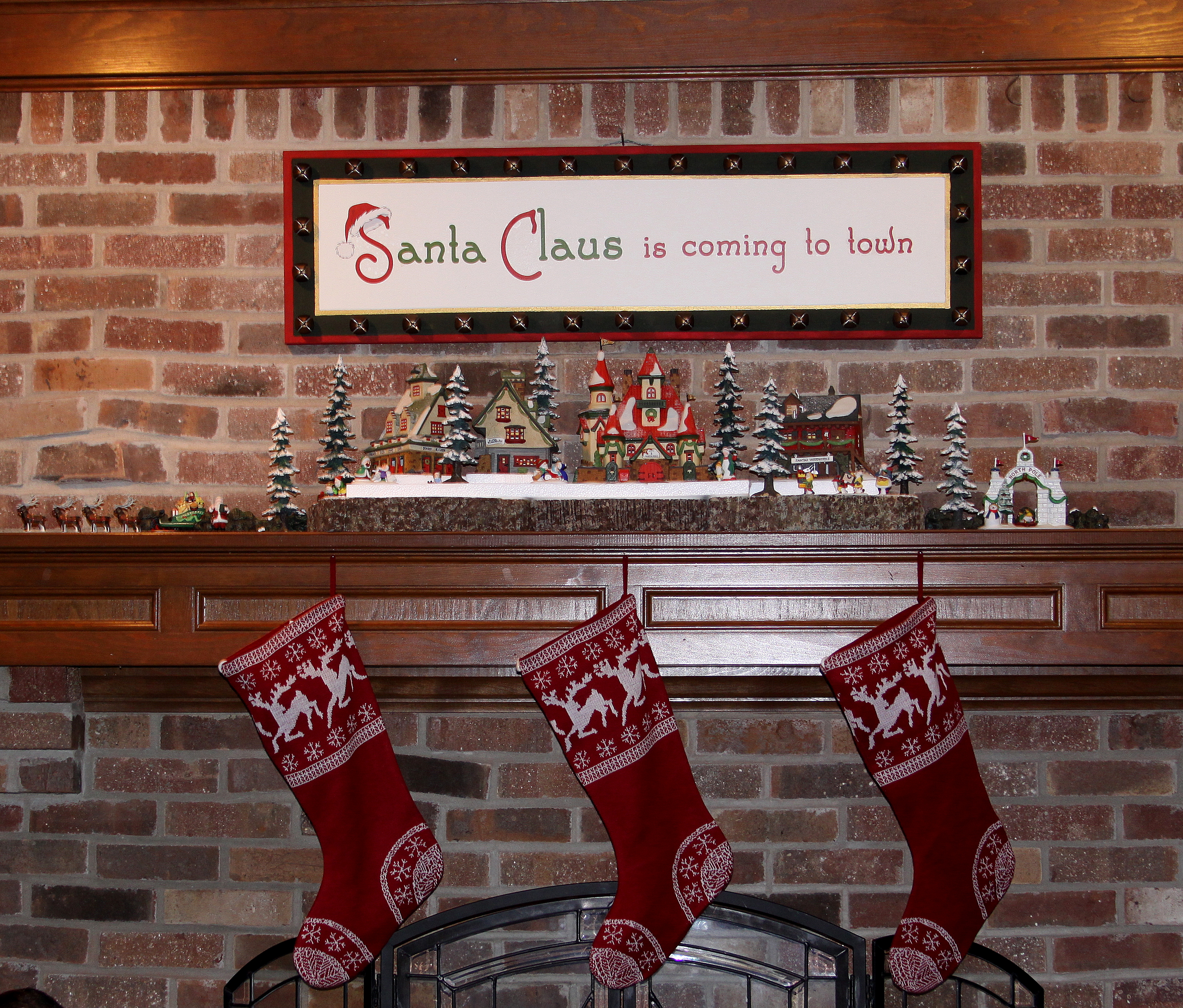
During the Christmas season, I use several Santa Claus decorations throughout our home.  This year the fireplace mantel in our living room is decorated with an artificial pine garland, red berry sprays and ceramic ivory and hung above is a whimsical sign that I made a few years ago that reads, “Santa Claus is Coming to Town” trimmed with bronze jingle bells.  On either side of the garland I have placed a Santa Claus figurine and two reindeers to complete the display.

Christmas 2014 - fireplace mantel

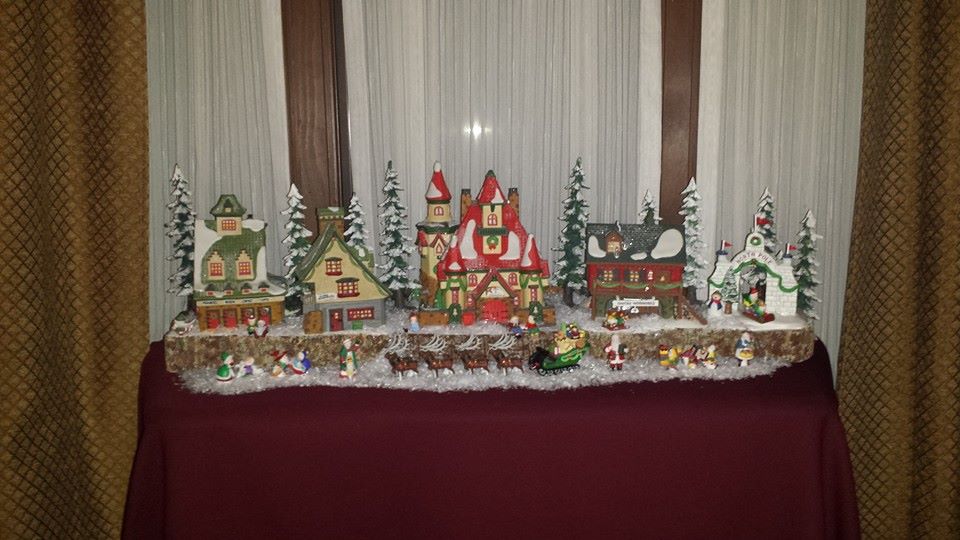
Another Santa Claus decoration that is a family favorite is my Department 56 North Pole Village which this year is displayed on a table near the window in the library room of our home.  I love setting up the North Pole display and in past years I have usually set it up on the bookshelf on the left side of the fireplace in the living room or displayed on the fireplace mantel.  Every year I like to change our Christmas decorations, sometimes I add accessories or change the arrangement display … I’m already wondering where I will put the Department 56 North Pole display next year!  (For more information about Setting up a Department 56 Village, please click on the links)

Christmas 2014 - Dept 56 North Pole Village

Christmas Tree –

The tradition of the Christmas tree was brought to England by Prince Albert and became popular during the reign of Queen Victoria.  Christmas trees during that time where decorated very differently from the ones seen in the United States today.  In Victorian England, Christmas tree were cut from the nearby woods and brought indoors to be decorated with natural items such as nuts, berries, apples or possibly oranges and illuminated with candles clipped to the branches of the tree.

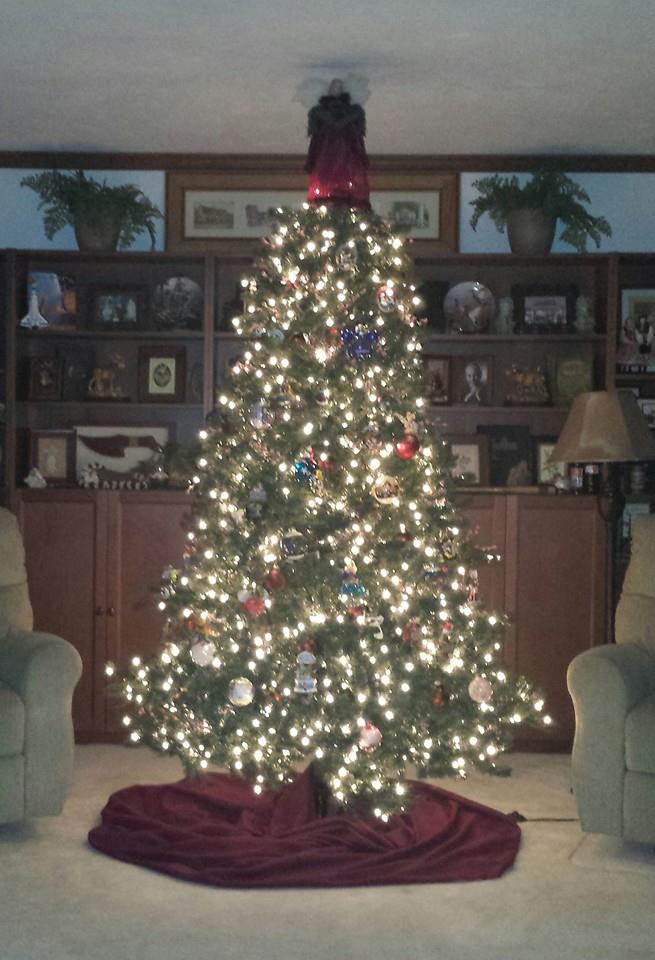
Christmas 2014 - Christmas treeThings have changed considerably over the years, lite candles on Christmas trees have been proven to be a fire hazard and it was determined that cutting down trees was not good for the environment.  Today, artificial Christmas trees have become popular and there are a variety of light styles and colors to string on the trees, our Christmas tree was bought pre-lite so my husband doesn’t have to spend hours un-tangling the lights to put on the tree!  The decorations for the Christmas tree have also changed throughout the years, my mother used glass ornaments and shiny silver tinsel and I have been purchasing Hallmark ornaments for almost forty years now for our Christmas tree.  (For more information about my Hallmark ornament collection, please click on the link)

Themed Christmas trees have also become popular and the variety of themes and styles are endless.  When decorating for the Christmas season, I use several Christmas tree in various rooms of our home.  My husband has his “Star Trek” themed tree, my son has his “Star Wars” themed tree and my daughter alternated between her “Disney Princesses” and “Barbie” themed tree.  (For more information about these themed Christmas Trees, please click on the link)

Christmas Cards –

In England, children would often write letters to Father Christmas with their wishes for toys or other items.  Traditionally, these letters would be “delivered” to him by putting them in the fireplace so that the ashes from the burnt letter would fly up the chimney because (as everyone knows, right?) Father Christmas can read the messages in the smoke!!  Since the Victorian times, sending Christmas card in England has become very important custom and a wonderful way to send “Happy Christmas” wishes to family and friends.  English families would make their own Christmas cards to send and the ones that were received were these were often used as decorations within the home during the holiday season and displayed on fireplace mantles or shelves located near the Christmas tree.

Children in the United States have been known to mail their Christmas requests to Santa Claus in the North Pole.  Of course, there are other ways to get a message to Santa, sometimes children wait to give Santa their gift wish lists when they go to have their picture taken with him at the mall or sometimes they will write a special letter to him on Christmas Eve with their list and they will set out with a plate a cookies and glass of milk for him and a couple of carrots for the reindeer.  (Magically, I have been able to save these letters to Santa that my children have written over the years!)

Next year, I plan to use several of the Christmas cards that we have received from friends and family from years past, I have also saved one card that we have sent out each year, and these cards are so beautiful that I hope to create some wonderful craft projects with them.  (Be sure to check back next year to see how I use these Christmas cards!!)       

Christmas stockings –

In England, the custom of hanging stockings above the fireplace started centuries ago mainly out of necessity because this was generally the way for the children to dry them overnight.  Of course, Father Christmas used this as an opportunity to leave small presents of fruit, nuts, candy or other small gifts for the good little boys and girls.  Traditionally, on Christmas Eve the children would leave a snack of cookies or small meat pies for Father Christmas near the fireplace.

In the United States, the custom of hanging Christmas stockings is a wonderful tradition to celebrate during the holiday season.  Christmas stockings can be bought in a variety of stores and are available in styles ranging from inexpensive simple ones to expensive and elaborate ones.  For those that wish to make their own Christmas stockings they are several sewing patterns available in different styles that could be used to create special ones for family or friends in fabrics ranging from inexpensive felt and denim material to expensive silk or satin material.  There are also embroidery and needlepoint kits that can be purchased at craft stores that can be used to create custom Christmas stockings for family or friends.  The gift of a custom Christmas stocking makes a wonderful gift for a child’s first Christmas, my son received one these and I am planning on having it framed.

2012 Christmas  Family room fireplace mantel

Christmas dinner –

In England, on Christmas day a special meal is served usually in the afternoon.  Traditionally, the meal consists of a roasted goose, duck or pheasant.  Side dishes could possibly include stuffing, gravy, cranberry sauce or currant jelly, potatoes, brussels sprouts or parsnips and for dessert of Christmas pudding or English trifle.  This meal is very similar to one served to the British Royal Family when they gather together at Sandringham in Norfolk to celebrate during the holiday season.  (For more information regarding the traditions associated with the annual British Royal Family Christmas at Sandringham, please clink on the links)

The Christmas dinner table is usually set with the home’s finest dishes, flatware, glasses and table linens.  Also placed at each of the place settings is a very special item known as a Christmas cracker.  A Christmas cracker is a paper tube filled with three items usually a small treats such as a spinning top or simple puzzle, a special joke or humorous limerick and finally a paper crown.  The filled paper tube is then covered with foil that is twisted at both ends to seal.  Traditionally, the crackers are usually opened at the Christmas dinner; each cracker is held between two people and pulled.  As the Christmas cracker is opened there is a small device inside which makes a loud pop sound.

The custom of the English Christmas Cracker is a wonderful idea to add fun and excitement to a Christmas dinner.

For more ideas on decorating inspired by an English Christmas, please check out the following links: Victorian Table Decoration and Christmas Mistletoe Ball.

Celebration – The Bracebridge Dinner at the Ahwanhee Hotel

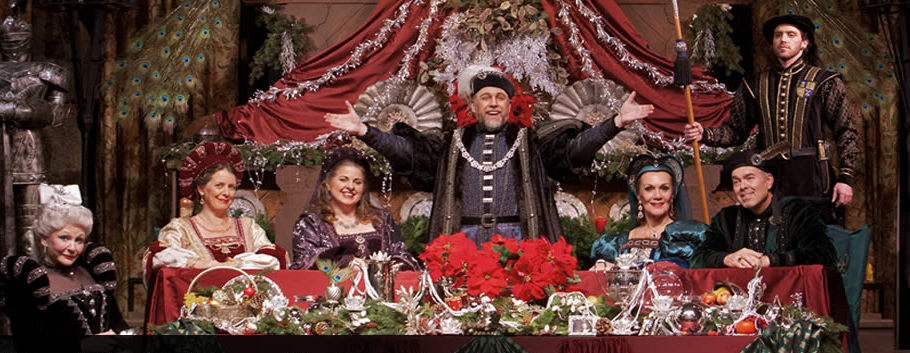
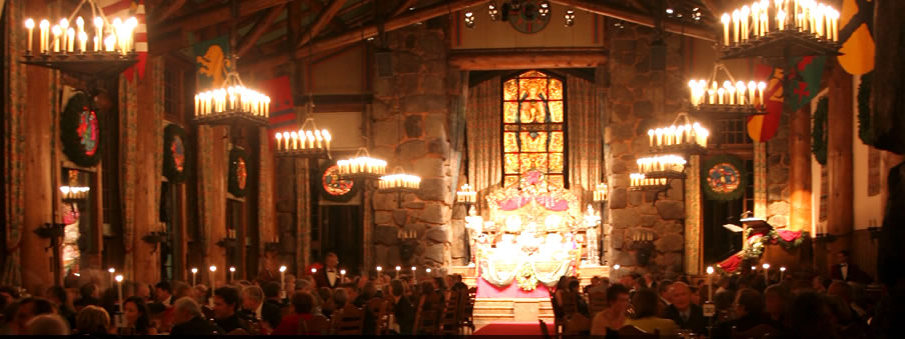
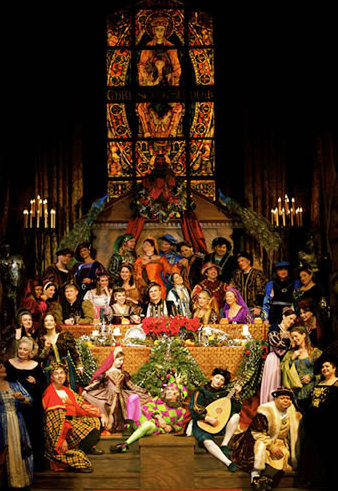
Bracebridge Dinner - present dayThe Bracebridge Dinner is a lovely holiday tradition that is held annually in Yosemite National Park every Christmas season.  The first Bracebridge took place back in 1927 and is still currently being held over 85 years later in the Yosemite Valley at the world renowned Ahwahnee Hotel.  Every year the grand dining room of the Ahwahnee is transformed into an 18th century English manor that is inspired by a 1822 Washington Irving story, “Bracebridge Hall” as told in his book “The Sketchbook of Geoffrey Crayon, Gent”.  (Irving is also famous for another story called “The Legend of Sleepy Hollow”, and please click on the link for more information about that classic tale about the headless horseman)

Ahwanhee dining room - Bracebridge Dinner 1

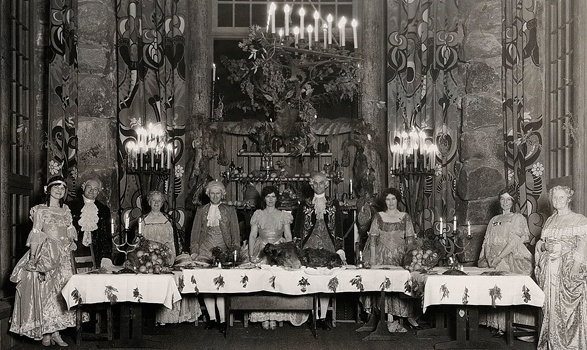
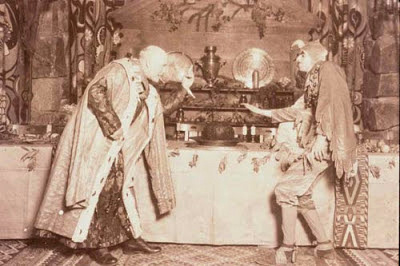
The Bracebridge Dinner is a three hour pageant of theatrical and musical performances that includes a seven-course formal dinner.  The tradition was started by Don Tresidder, president of the Yosemite Park and Curry Company, to celebrate the first Christmas after the majestic Ahwahnee Hotel was opened in 1927.  The character of the Squire Bracebridge was played by Tresidder himself, the character of Lady Bracebridge was played by his wife Mary Curry and Ansel Adams (the famous photographer) played the court jester.

Bracebridge Dinner circa 1927    Ansel Adams as the jester 1

The Bracebridge was been held annually since 1927 with the exception of the years during World War II when the Ahwahnee Hotel was commissioned by the United States government for use as a Naval Hospital.  When the tradition resumed in 1946 several new chorale musical performances were added.  Then shortly after the 1948 Bracebridge, Don Tresidder died of a sudden heart attack.  Heartbroken at the loss of the prominent Yosemite resident there was much debate over whether the show would even continue or the possibly of eliminating the role of the Squire since the part had always been played by Tresidder.  It was finally determined that the character of the Squire would remain in the show but over the years the part of the Squire as narrator was eventually reduced to a smaller role.

Bracebridge Dinner - present day 1

Throughout the years, Ansel Adams went on to serve as the production’s musical director and later the part of Major Domo, the head of the Bracebridge household, was created especially for him and the part of the housekeeper was played by his wife Virginia Best Adams. Adams also served as the musical director and official photographer and he still continued performing in the Bracebridge until his retirement in 1973.  Eugene Fulton, who had been a member of the male chorus since 1934, took over as musical director in 1946 and after Adams retirement he became the producer of the show.  Sadly, Fulton died suddenly on Christmas Eve in 1978.  His wife, Anna Marie and his daughter, Andrea took over the production of the Bracebridge for the remaining performances that year.  Eventually Andrea went onto to become the show’s director as well as playing the role of the housekeeper.  Finally, in 2013 the lottery process which had been previously used to obtain tickets for the popular Bracebridge Dinner was eliminated and now reservations are accepted in the order in which they are received.

Ahwanhee Hotel in winter

The history of the Ahwanhee Hotel

The Ahwahneechee Native Americans had long settled in the area when the Mariposa Battalion, a California militia group, entered the Yosemite Valley in 1851 to fight in the Mariposa War caused by the 1849 California Gold Rush.  Shortly after, white settlers arrived to build homes and visitors came to enjoy spectacular views of El Captain, Half Dome and Yosemite Falls.  In 1864, President Abraham Lincoln signed a federal bill in 1864 granting the Yosemite Valley and the Mariposa Grove to State of California.  John Muir, a local naturalist with concerns for the protection of the environment, eventually lobbied for the creation of the Yosemite National Park which happened in 1890.

Visitors continued to be drawn to the beauty of Yosemite National Park and the demand for tourist accommodations steadily increased throughout the years.  In 1899 David and Jennie Curry arrived in the Yosemite Valley and soon developed several rustic cabins and campsites that became known as Curry Village.  Then, in 1917, the Yosemite Lodge was built near the base of Yosemite Falls and was the first of the Park’s traditional hotel style accommodations.

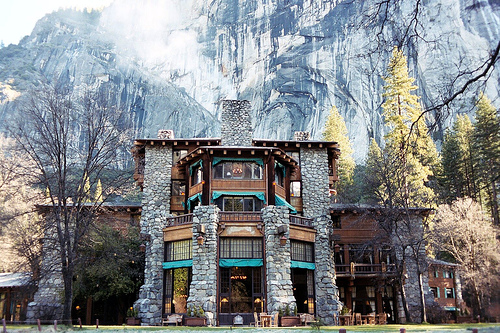
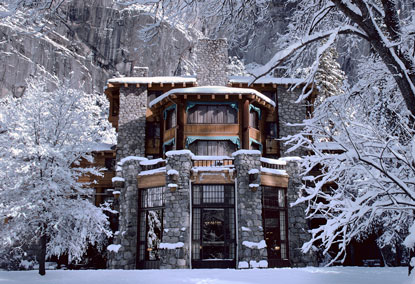
By the early 1920s, there was a need for more luxurious accommodations for the more wealthy and affluent tourists.  The Ahwanhee Hotel took eleven months to construct, cost over one million dollars to build and opened in July 1927.  It is a wonderful example of rustic elegance built in an Arts & Craft style of architecture which was very popular at the time.  It is constructed of 5,000 tons of granite, 1,000 tons of steel and 30,000 feet of wood and furnished with a unique blend of Art Deco and Native American decorating styles.

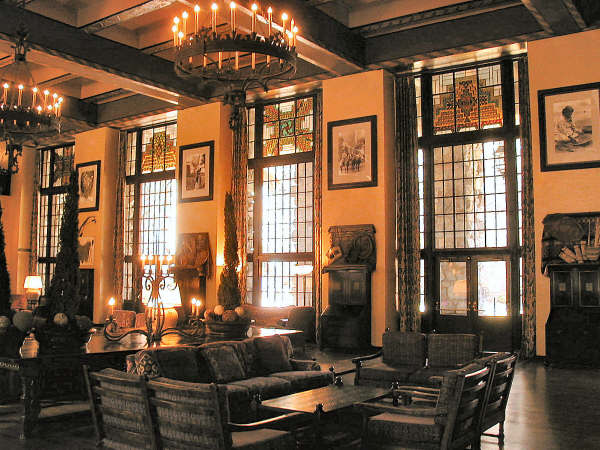
The Great Lounge of the Ahwanhee is 77 feet long and 51 feet wide with 24 foot high ceilings.  Other features of the room include 10 floor-to-ceiling windows topped by beautiful stained glass panels and there is also a massive stone fireplace with couches, chairs and tables that offers an inviting place for visitors to gather.  The room is decorated with Native American hand-woven baskets and massive wrought iron chandeliers.

Ahwanhee - Lounge

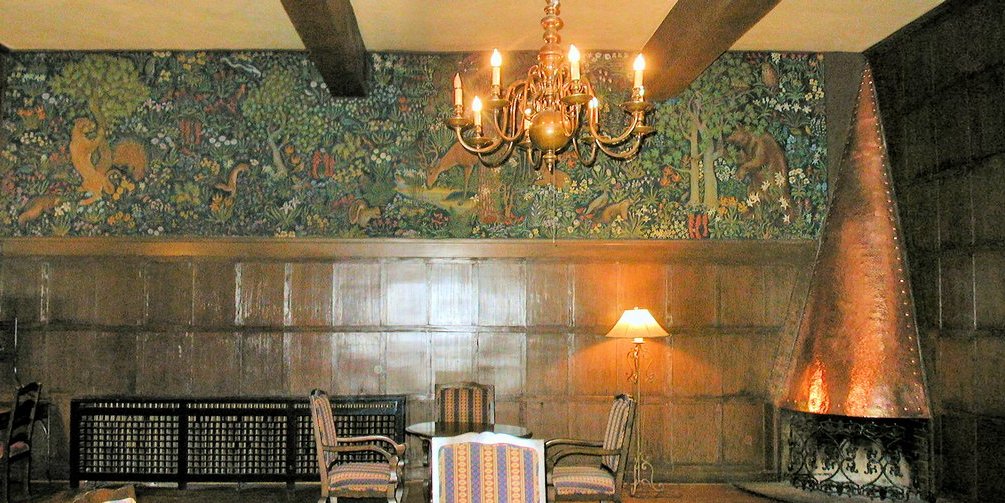
Other public rooms of the Ahwanhee include the Solarium which has massive windows on three sides of the room that have lovely views across the valley with Glacier Point in the distance.  (This area room is often used for wedding ceremonies and receptions as well as other special events)  The Mural Room is beautifully decorated with an impressive mural showing the various flowers and plants of Yosemite Valley.  The room is elegantly paneled in wood with a copper-hooded fireplace and French doors that open onto a patio and the nicely landscaped grounds.

Ahwanhee - Mural Room 1

One of the most impressive rooms of the Ahwanhee is the grand Dining Room which is 130 feet long, 51 feet wide and features a 34 foot ceiling supported by wooden beams made from sugar pine and supported by large granite stone columns, there are also floor-to-ceiling windows framed with stained glass panels.  The Ahwanhee Dining Room offers visitors the finest dining within Yosemite National Park and a more formal dress code is required.  (This room is where the annual Bracebridge Dinners are held during the Christmas season)

Ahwanhee - Dining Room

During World War II, the Ahwahnee Hotel was commissioned by the United States government for use as a Naval Hospital.  The famous Bracebridge Dinner was not held during that time and eventually the tradition resumed in 1946.  Over the years, the Ahwanhee added an outdoor swimming pool and modernized the hotel with elevators and a fire alarm system including smoke detectors and a sprinkler system.

For more information regarding the Ahwanhee Hotel and to make reservations, please see their website www.yosemitepark.com.  For information about planning a visit to Yosemite National Park, please see their website www.nps.gov/yose/index.htm

Ahwanhee Hotel